Think in millilitres, not only in pages
Yield in pages depends on a measuring standard: a conventional coverage rate applied to a reference document. It is useful for comparing, but it does not say what the cartridge holds. Volume does not argue.
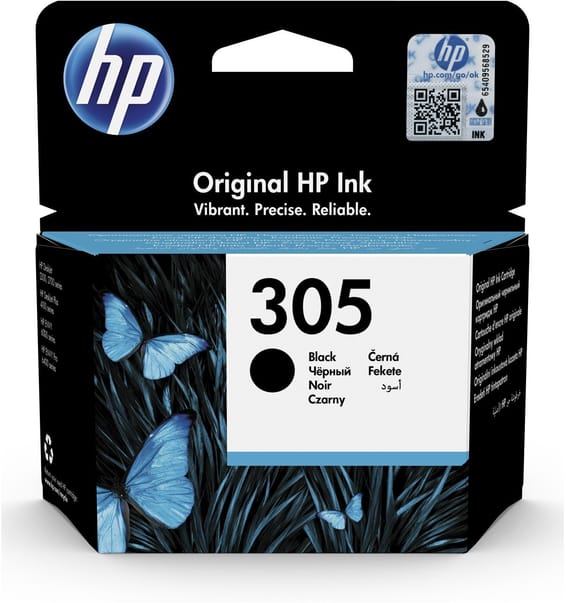
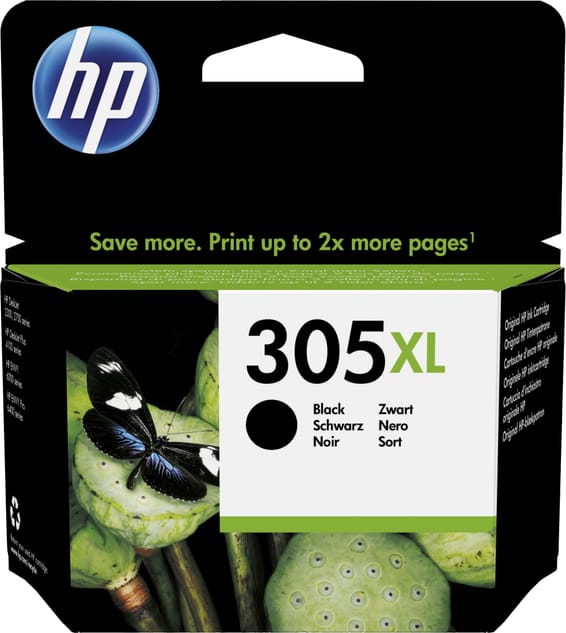
Do the sums on this machine. The standard black: 2 ml for 120 pages, so 60 pages per millilitre. The XL black: 4 ml for 240 pages — exactly the same 60 pages per millilitre. Moving to high capacity is perfectly proportional there: you pay more, you get more, in the same ratio.
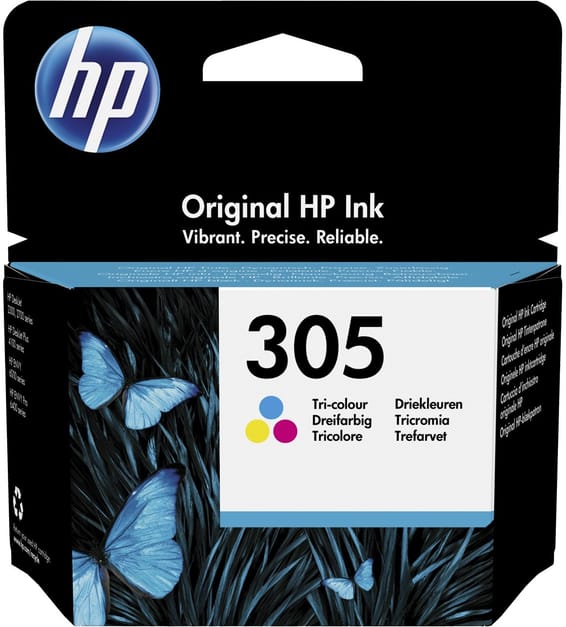
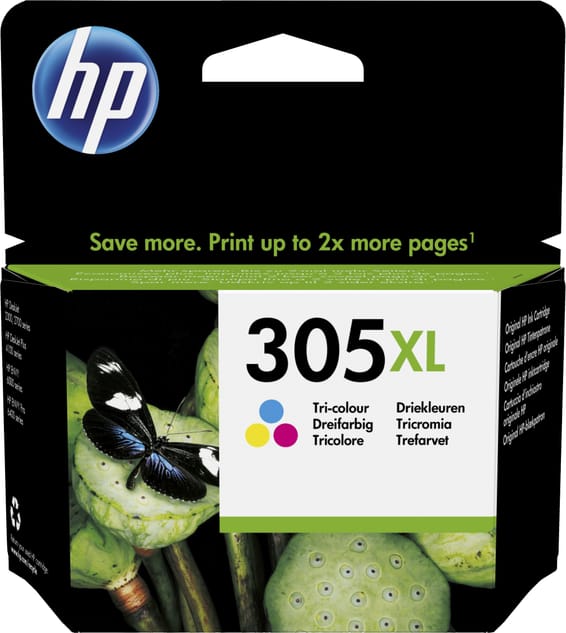
The tri-colour tells another story. Standard, 2 ml for 100 pages makes 50 pages per millilitre; in XL, 5 ml for 200 pages makes only 40. In other words, the XL colour holds two and a half times more ink for twice the stated pages.
Why colour does not follow the same rule
A tri-colour carries three inks in a single body, and you never use exactly a third of each. As soon as one shade runs out, the whole cartridge becomes unusable — the rest goes with it. The bigger the body, the larger that remainder: which is what the falling pages-per-millilitre figure in XL reflects.
The XL colour remains the right choice as soon as you print regularly: twice the pages means half the orders. But the gain is measured in pages, never in volume, and no saving proportional to what it holds should be expected of it.
A standby machine, connected over Wi-Fi
HP quotes 50 to 100 pages a month for the DeskJet 2720, with a 60-sheet tray and a flatbed scanner. Its Wi-Fi makes it reachable from a phone, which changes the nature of what gets sent to it: photos and screenshots arrive more easily than a word-processing document — and they are what empties the tri-colour.
Note that it does not print borderless: a photo will come out with white margins. It is not a photo machine, and its colour cartridge is not sized for that use.
A fleet of printers to keep supplied?
We draw up the list of consumables for your whole fleet and a single grouped quote. Invoice in your company's name with its ICE number, delivery anywhere in Morocco.