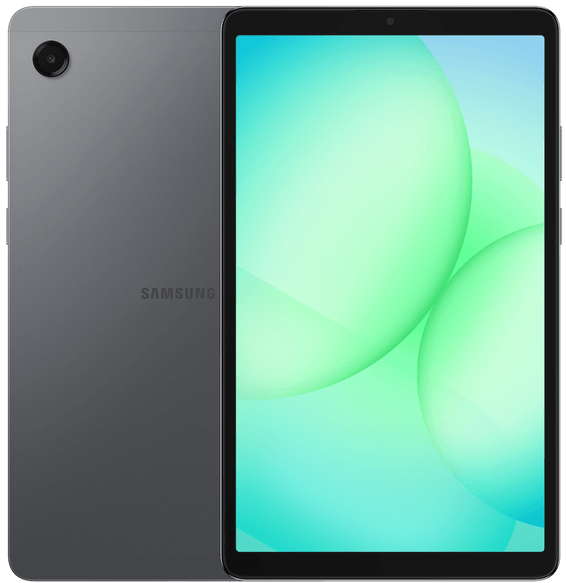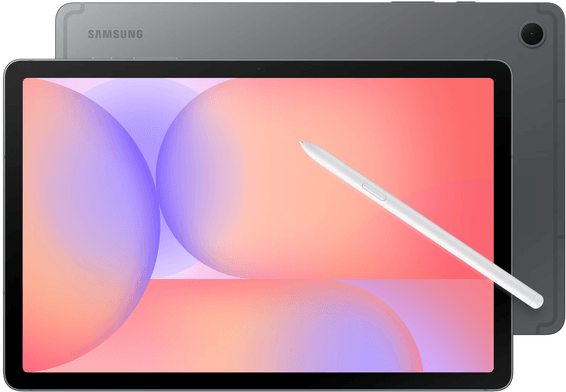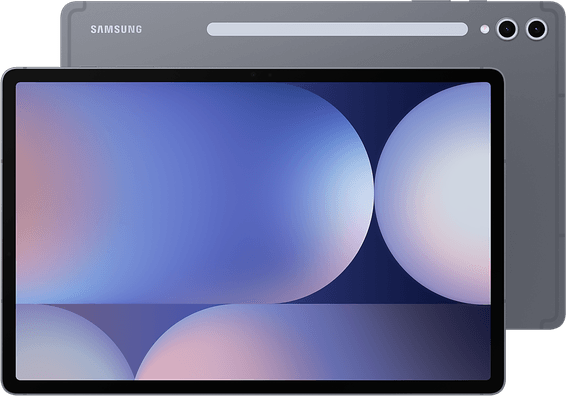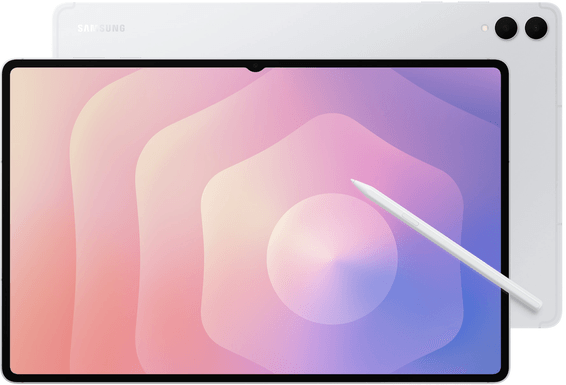
The e-reader, in one picture
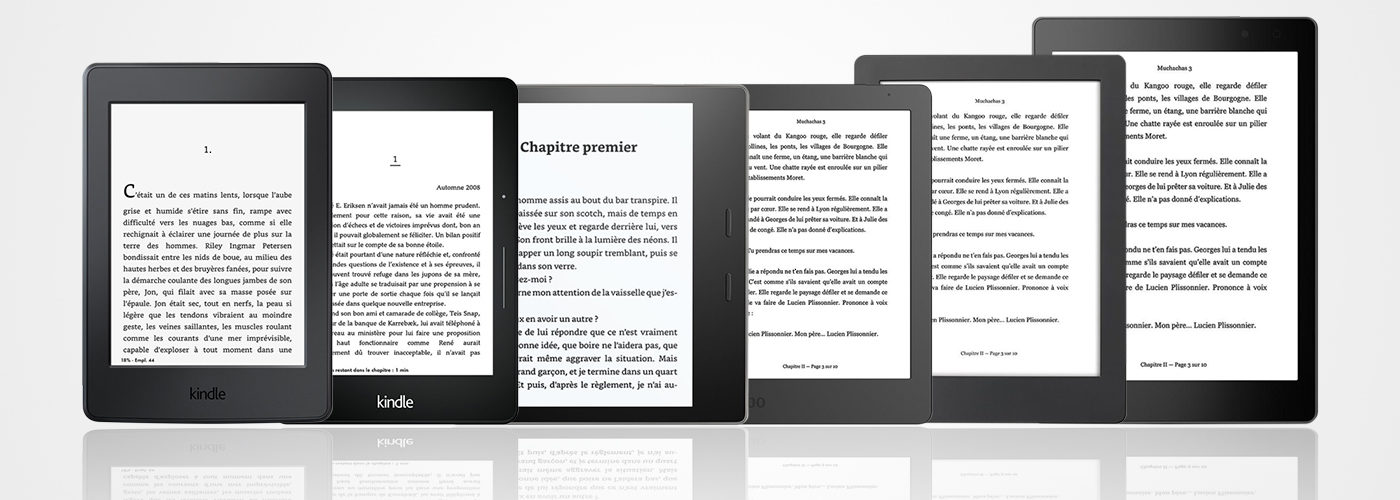
An e-ink screen, a light shell, and nothing else: the e-reader does one thing, and it does it better than any other device. The sections below set out how it works, what it really gains you, and the criteria on which the choice is actually decided.
Why choose an e-reader?
The e-book reader has established itself as the essential tool for everyone who loves reading, whether they devour books or read only now and then. Iris.ma supports you in that choice with a complete guide to help you make sense of the many features and advantages these devices offer. Unlike tablets and print books, the e-reader delivers a reading experience designed specifically for visual comfort and everyday convenience. Light in the hand, and able to hold thousands of titles in a built-in digital library, it lets you read wherever you are without compromising on quality.
Choosing an e-reader also means choosing a device that is simple to handle, even if you are not especially comfortable with technology. Intuitive interfaces and adjustable settings make getting started quick and pleasant. The reading experience is enriched by e-ink technology, which faithfully reproduces the look of paper for optimum comfort. In the end, an e-reader gives you a modern reading companion that combines innovation and convenience to meet every expectation.
Understanding e-readers: how they work and their history
An e-reader is an electronic device designed to read and store digital books in a built-in library. It works on so-called “e-ink”, or electronic ink, technology, which mimics the appearance of paper and removes reflections, even in bright sunlight. This innovative technology draws extremely little power, which gives it battery life that can run for several weeks between charges. Its simplicity of use and its personalisation options — adjusting text size, choosing the typeface — also make the e-reader accessible to everyone.
The history of the e-reader is rich and fascinating. The ancestor of the modern device goes back to 1962, with the mechanical encyclopaedia prototype designed by Ángela Ruiz Robles. The e-reader proper appeared between 1992 and 1993, when two PhD students, Crugnola and Rigamonti, set out to build a device meant purely for reading text. In 1998 the first French e-reader, the Cybook, arrived, even if it did not find its audience straight away. Only in the early 2000s, with the rise of the digital book in the United States, did the market really take off, giving rise to brands such as Bookeen, PocketBook, Kindle, Kobo, and Vivlio.
The advantages of an e-reader over print books and tablets
The advantages of an e-reader are many, and they answer the varied needs of modern readers. First of all, visual comfort is remarkable thanks to the e-ink screen. This technology, often referred to as “e-link”, gives off no blue light and makes for pleasant reading by day and by night, in sharp contrast with the backlit screens of tablets. Even after several hours of reading, your eyes stay protected and less tired.
The e-reader also stands out for how practical it is. In a single device you can carry an entire library, which saves a considerable amount of space. That is particularly useful for anyone with large collections, whether of novels, manga or comics. On top of that, the e-reader lets you personalise the reading experience: you can adjust the typeface, the text size, or switch on audio reading options for a change of pace.
A few further advantages:
• A considerable saving of space in your bag or on your shelves.
• Savings over the long term, since e-books are often cheaper than their printed equivalents.
• The ability to pick up your reading exactly where you left off, with no physical bookmarks to keep track of.
The e-reader also offers unique comfort in use thanks to its “soft” screen, which adapts to the surrounding light. That means you can read without disturbing the people around you and without the usual fatigue that comes with ordinary screens. All in all, the e-reader is an ideal answer for anyone looking for modernity, comfort and space saving at once.
The key criteria for choosing your e-reader
a) The screen
The screen is the fundamental element of your e-reader and directly conditions the quality of your reading experience. The e-ink (electronic ink) technology used mimics the look of paper, giving reading that is free of reflections and highly legible, even in bright sunlight. Screen size, generally between 6 and 8 inches, should be chosen according to your own preferences: a larger screen gives better visibility for detailed text or manga, while a more compact one favours portability. Resolution, for its part, is crucial, because a high resolution ensures exceptional sharpness of text and images. A built-in front light, called “Smartlight” on some models, also lets you read in low light without tiring your eyes.
b) Storage
Storage is another important criterion in choosing the e-reader that suits you. Capacities generally range from 4 to 32 GB, enough to hold thousands of titles. That is ideal for keen readers who want to build a large digital library without cluttering their physical space. Some models also allow the storage to be extended through a microSD slot, which adds flexibility according to your storage needs. Generous storage means you will never run out of something to read, even on long journeys or in heavy use.
c) File format compatibility
File format compatibility is an essential aspect of choosing your e-reader, especially if you already own a collection of e-books. The EPUB format is widely recognised as the universal standard and is accepted by most e-readers, while the AZW format remains specific to Amazon's Kindle devices. Most e-readers are also compatible with other formats such as PDF, TXT and HTML, as well as formats dedicated to comics and manga such as CBZ and CBR. It is also wise to check compatibility with audiobooks, especially if you intend to use that feature to vary the way you read.
Points to remember on compatibility:
• Make sure your e-reader supports the formats you use regularly.
• Check whether some files will need converting, particularly if you change ecosystem.
• Think about audiobook support for a complete multimedia experience.
d) The ecosystem and the e-book shop
The ecosystem your e-reader belongs to can greatly influence how you buy and download digital books. Each brand has its own platform and its own buying environment, which can make getting hold of your favourite titles simpler or harder. Amazon's Kindle, for instance, is fully integrated with its vast catalogue, while Kobo, Vivlio or Tea Touch favour more open compatibility with a range of e-bookshops. It is therefore important to choose an e-reader according to your preferred bookseller or buying platform, so that your purchases happen in a consistent, straightforward environment.
A few tips on the ecosystem:
• Go for an e-reader that fits naturally with your favourite bookseller's platform.
• Favour an ecosystem with an intuitive interface and a wide choice of e-books.
• Consider how easily files transfer, and how DRM is handled, when you make your choice.
e) Extra features
Additional features can make all the difference when choosing your e-reader. Wi-Fi connectivity, and sometimes even 4G, lets you download new e-books instantly without going through a computer. Water resistance is a real plus for anyone who likes to read in varied places, by the pool or on the beach. The choice between physical buttons and a touchscreen can also answer specific needs, for readers who want a more traditional way of handling the device or, conversely, modern and fluid navigation. Complementary though they are, these functions significantly improve how practical and comfortable the device is to use.
Which e-reader to choose for your reading profile?
The right e-reader depends on your reading profile and your habits. For occasional readers who want to try digital reading without investing in an overly sophisticated device, a simple, compact entry-level model is ideal. These models offer the essentials: good screen quality, sufficient battery life and an intuitive interface for a quick start. They let you experiment with digital reading without complication, while giving reading quality comparable to that of more advanced devices.
For avid readers, models with a large screen, high resolution and substantial storage are recommended. These e-readers are built for long reading sessions while keeping visual comfort at its best, thanks to advanced features such as a built-in front light and display personalisation. Demanding users will also appreciate access to an extensive e-book catalogue and the chance to fine-tune their experience with extra features.
A few reader profiles stand out:
• Occasional readers, after simplicity and light weight.
• Avid readers, who need a robust, capable device.
• Travellers, for whom portability and resistance to knocks and water are essential criteria.
• Comics and manga enthusiasts, who will benefit from a large screen and, in some cases, a colour display.
• Audiobook listeners, who will appreciate Bluetooth compatibility and built-in multimedia options.
Brands also differ in what they specialise in. The Vivlio range, for example, offers several models suited to different profiles. The Vivlio light is ideal for all readers, with its 6-inch format and light weight (182 g), which make it the perfect everyday reading companion. The Vivlio light HD is aimed at travellers and audiobook listeners, with wireless audio connectivity and waterproof protection (IPX68 rating). For those who love illustrations, the colour e-reader “La Color” allows manga and comics to be read with superior graphic quality, while the InkPad 4 provides optimum reading comfort thanks to a large screen suited to manga-type formats.
Conclusion
The e-book reader represents a revolution in the world of reading, combining technological innovation with day-to-day convenience. Thanks to e-ink technology, it offers a reading experience close to paper while letting you carry thousands of titles in one single device. Iris.ma offers this complete guide to help you choose the e-reader that matches your expectations exactly, whether an entry-level model or a high-end device with advanced features.
By weighing up the key criteria — screen quality, storage, format compatibility, buying ecosystem and extra features — you now have everything you need to make an informed decision. Every reader profile, whether traveller, manga enthusiast or audiobook devotee, will find a model on the e-reader market to suit their particular needs.
A few key points to remember:
• E-ink technology guarantees unmatched visual comfort.
• Storage capacity lets you build a large digital library.
• The choice of ecosystem and compatible formats greatly influences how easy the device is to use.
The e-reader does not replace the printed book; it complements it, offering unprecedented flexibility and adaptability. It opens up a rich and varied literary world without giving up the pleasure of reading. In the end, buying an e-reader is an investment in a modern, friendly and lasting reading experience, one that will satisfy newcomers and seasoned digital readers alike.
Frequently asked questions
Do you sell e-readers in Morocco?
Not at present. This guide helps you choose, and our tablets are the closest alternative for reading while keeping a device you can use for everything else. Write to us through the contact form if you would like to be told when we stock them.
E-reader or tablet: which should you choose?
An e-reader if you read for long stretches, and often in the sun: the e-ink screen does not tire the eyes and battery life runs into weeks. A tablet if you also want to browse, watch video or annotate PDFs in colour.
What screen resolution should you aim for?
300 ppi is the comfortable standard today. Below that, character rendering degrades noticeably, especially at small font sizes.
Does the light of an e-reader tire the eyes?
Far less than a backlit screen: the light is thrown onto the surface, not towards the eye. Models with adjustable colour temperature also let you switch to warm tones in the evening.
Can you read PDFs on an e-reader?
Yes, but comfort depends on screen size: a fixed-layout PDF stays hard to read on a small format. For technical documents, a large screen or a tablet is preferable.