What a hidden camera is, and what it is for
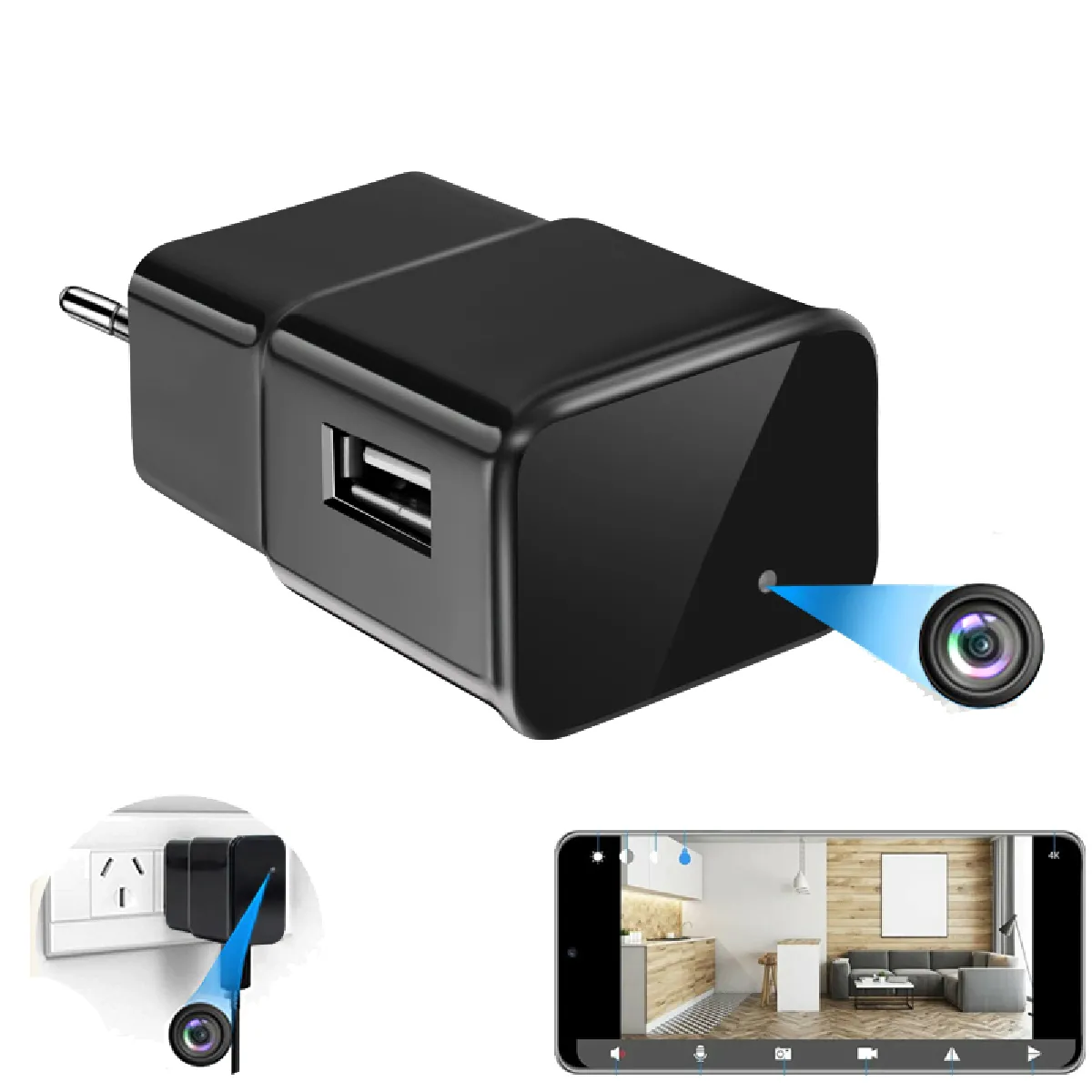 At a time when security and discretion take up an ever larger place in daily life, the hidden camera, also known as the spy camera, has become an essential tool for discreet surveillance. This guide sets out to be a complete, detailed resource for anyone who wants to understand what these devices are good for and where they stop, and to steer their choice according to their specific needs. We will look at how the market has changed, the technologies involved, and the key criteria to weigh up when selecting a discreet and effective surveillance camera. Through the article we will explore the various technical aspects, the innovative features and the practical advice for installing and using this kind of product in the best conditions.
What is a hidden / spy camera?
The hidden camera, or spy camera, is defined by its ability to record in complete discretion, without drawing attention to its presence. These devices, often miniaturised and concealed in everyday objects, make it possible to watch over a space without the person being observed realising they are being recorded. As technology has advanced, they now carry sophisticated features such as night vision, motion detection and high-quality audio recording. This kind of camera is aimed as much at private individuals concerned about their security as at professionals looking for a discreet way of observing in a variety of settings.
The main uses of these devices
The uses of the spy camera are varied and adapt to many needs. For home security, it allows a house or an office to be watched continuously, adding a further layer of protection against intrusion. In a professional setting, these devices are sometimes used to check that procedures are being followed or to reinforce security in sensitive areas. In research or private investigation, the hidden camera proves a valuable tool for gathering evidence or observing behaviour without disturbing the natural course of events. Each use, however, calls for particular attention to the technical and legal aspects of putting such a device in place.
Selection criteria for a hidden / spy camera
Image quality and resolution
One of the most decisive criteria when choosing a hidden camera is image quality. Resolution plays a crucial part in making sure recordings are sharp enough to pick out the details that matter. Many models now offer resolutions ranging from HD to 4K, giving clear images even in low light. It is essential to check that the sensor performs well and that the camera has a focusing system suited to the job, especially in varied environments. Good image quality makes analysis after the event easier, which is indispensable when an incident has to be investigated or verified.
Recording capability and storage
Beyond image quality, recording capability is another key factor. It is important to make sure the camera offers continuous recording or recording on motion detection, so as to limit needless footage. The choice between storage on a memory card and network recording also matters. Some hidden cameras include USB ports or offer a wireless connection to make backing up the data easier. Being able to schedule recordings or to switch on an alert when movement is detected gets the most out of the device without compromising its discretion.
Discretion and design
The discreet look of the camera is essential if it is to do its job properly. The most sought-after models disguise themselves as everyday objects – pens, smoke detectors, clocks, even chargers – which makes them easy to fit into all kinds of settings without arousing suspicion. A compact design and a careful finish make sure the device goes unnoticed while still performing to a high technical standard. It is important to check that the size and the weight of the camera match the intended use, favouring models that are easy to conceal and to handle.
Connectivity and compatibility
Connectivity plays a decisive part in what makes surveillance devices modern. Many spy camera models now include Wi-Fi or Bluetooth connection options, allowing recordings to be viewed remotely from a smartphone or a tablet. This makes real-time monitoring easier, and with it the configuration and the management of the recorded data. It is equally essential to make sure the device is compatible with existing video surveillance management software, so that it slots easily into larger security systems.
Ease of installation and use
For a great many users, simplicity of installation and use is a decisive criterion. An intuitive model with a friendly interface cuts down setup time and makes the device easier to get to grips with. Some come with detailed instructions and online tutorials that guide the user step by step. Installation should not call for any particular technical skill, especially if the device is to be used by people who are not specialists. A good balance between advanced technology and simplicity of use is what guarantees a successful user experience.
Battery life and power supply
The battery life of the camera is another aspect to weigh up before buying. Depending on the use – continuous or occasional surveillance – choose a model that offers a good running time on battery, or one that can be powered steadily from a mains socket. Power management has a direct bearing on how reliable the recording is, particularly in places where access to a constant power source may be limited. Cameras with energy-saving options or a low-battery alert are a sensible choice for surveillance without interruption.
Extra features
More and more models include additional features that can make the difference in performance and effectiveness. Among them are night vision, indispensable for recording in low light, and motion detection, which records only when activity is detected. Two-way audio recording can also help to give a complete picture of events while staying discreet. Some models even offer pan or zoom options, so the angle of view can be adjusted and specific areas brought into focus. These advanced features add another dimension to the device, making it versatile and suited to a variety of surveillance situations.
Comparing the options available on the market
Ultra-discreet spy camera vs. miniature camera
The hidden camera market offers a range of models to suit varied needs. Ultra-discreet spy cameras stand out for their ability to blend perfectly into their surroundings thanks to a camouflaged design, often disguised as ordinary objects. These models suit users looking for invisible, permanent surveillance. Miniature cameras, on the other hand, very compact though they are, put the emphasis on portability and flexibility of use. They are ideal for one-off operations or for being moved easily from one place to another, allowing dynamic and responsive surveillance. Each option has its own advantages, and the choice will depend largely on the context of use and the level of discretion required.
Analogue vs. digital technology
The move from analogue to digital technology has considerably improved the quality of recordings and how easy hidden cameras are to use. Digital devices offer better data handling, higher resolution and efficient compression options that allow more footage to be stored without loss of quality. Motion detection and image enhancement algorithms are also usually reserved for digital models. Some analogue devices still have their place, however, thanks to their simplicity and their generally lower cost. Users after top-end performance are advised to turn to digital solutions, while those with more basic needs can opt for analogue models.
Technological developments and market trends
The spy camera sector never stops innovating, pushing manufacturers to build in advanced technology to improve the quality and the discretion of recordings. Recent developments include the arrival of ultra-sensitive image sensors, which cope better with changes in brightness and capture detail precisely. The use of artificial intelligence to analyse recordings in real time is another notable trend, making it possible to detect unusual behaviour and alert the user immediately. These advances give hidden cameras greater effectiveness and reliability, meeting the demands of a market in constant change.
Advantages and drawbacks of a hidden / spy camera
The advantages in terms of security and discretion
One of the main strengths of the hidden camera lies in its ability to provide continuous surveillance without disturbing its surroundings. Their discreet design lets these devices gather evidence and observe events objectively, which is particularly useful for reinforcing personal or professional security. Using them can also deter would-be intruders or suspicious behaviour, since the mere presence of a surveillance device, even an invisible one, can act as a preventive measure. Being able to view the recordings in real time also gives welcome responsiveness in the event of an incident or an attempted break-in, so that critical situations are handled quickly and effectively.
The limits and the points to watch
Despite their many advantages, hidden cameras also have limits that deserve consideration. Recording quality can sometimes suffer depending on the lighting conditions or on where the device is placed. Using such a device also often means complying with strict legal frameworks, which calls for particular care over where and in what context it is installed. Regular upkeep and maintenance of the camera are equally essential to keep it working properly over time. Finally, storing the recordings can be a challenge, especially if the device runs continuously, which makes suitable backup solutions a necessity.
Practical advice on installation and use
The legal framework comes before the hardware
Recording people without their knowledge is not something you are free to do. Filming inside your own home is in principle allowed, but as soon as a place is open to the public or is a workplace, informing the people filmed is mandatory and the use of the images is regulated. Find out what your obligations are before you install anything at all.
Installation advice for effective surveillance
To get the best out of your spy camera, planning the installation properly is essential. Choose a strategic spot that gives a clear view of the area to be watched while keeping the device out of sight. The way the camera faces should be worked out according to the ambient light, so as to get the best recording quality. A careful installation also means checking the connections and the networking options, particularly for anyone opting for real-time monitoring through a mobile app. It is also advisable to test the device in different lighting and movement conditions to be sure of its responsiveness and its reliability.
Upkeep and maintenance of the device
To keep performance at its best, regular upkeep of the hidden camera is indispensable. Check the state of the battery from time to time, along with the quality of the recordings and the proper working of advanced features such as motion detection or night vision. Cleaning the lenses and the sensors prevents dust and dirt from spoiling the image. Updating the firmware and the associated software can also bring notable improvements in the stability and the security of the device. Regular preventive maintenance thus makes for a longer life and trouble-free use.
Regulations and legal aspects
Using a hidden camera calls for a thorough knowledge of the legal frameworks in force. You must find out about the regulatory obligations covering the collection and the processing of images, and about respect for privacy. Although the device is designed to provide discreet surveillance, its use has to stay within the limits of the law if any dispute is to be avoided. It is advisable to consult reliable sources and, if need be, to seek legal advice to make sure that the installation and the use of the device comply with legal requirements. By following these recommendations you safeguard not only your recordings, but also individual rights.
Technical comparison of popular models
A look at the technical specifications
The hidden camera market is full of models with widely varying specifications. Some devices stand out for high image resolution and extended recording capability, while others rely on advanced connectivity and easy integration with mobile apps. Models fitted with night vision give effective surveillance even in poor light, a major advantage for anyone who wants complete coverage of the area being watched. Alongside this, compatibility with various storage media – memory cards or cloud solutions – answers users' needs in terms of data management.
Comparing the technologies on board
The range of technologies built into spy cameras caters for a wide span of user profiles. Some models include ultra-sensitive image sensors that capture the smallest detail faithfully, while others rely on advanced compression systems to make the best use of storage space. Features such as motion detection and instant alerts avoid needless recordings and keep surveillance targeted and effective. Comparing these options, it becomes clear that the choice usually comes down to each user's specific needs, whether for occasional use or for continuous surveillance. Assessing the specifications therefore has to take account of the installation environment and of the objective being pursued.
Recommendations by user profile
Users looking for a discreet and permanent solution are advised to opt for models offering high resolution and reliable connectivity. Those who value portability and flexibility will prefer miniature devices, easy to move and to set up as the moment requires. For professionals, the ability to bring the camera into a wider surveillance network can be the deciding criterion, while private individuals will appreciate simplicity of installation and use. Depending on the priorities – image quality, ease of concealment or advanced features – a careful look at the specifications will make for an informed choice suited to each profile.
What we sell in surveillance
Conclusion
In short, the hidden / spy camera is an effective surveillance solution that combines discretion with technical performance. This guide has brought out the key criteria to weigh up, such as image quality, recording capability, connectivity and ease of installation, while detailing the advantages and the limits of these devices. Whether the use is domestic or professional, choosing the right model rests on a thorough analysis of the user's specific needs and of the installation environment.
Ultimately, a rigorous assessment of the features, together with practical advice on installation and maintenance, is what allows the strengths of a spy camera to be used to the full. By respecting the legal aspects and taking a methodical approach, anyone can make a sound choice and improve the security of their space while benefiting from advanced technology and absolute discretion.
Frequently asked questions
Do you sell spy cameras in Morocco?
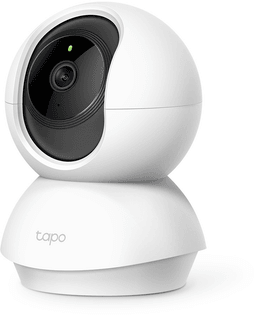
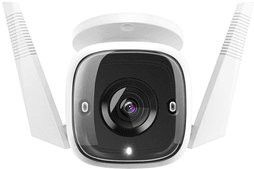
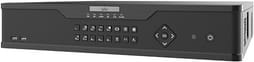
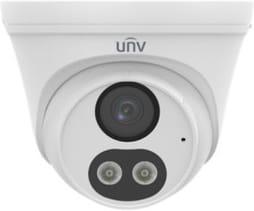
We do not stock concealed miniature cameras. We do offer IP surveillance cameras, NVR recorders and complete systems, with advice before you buy.
Is it legal to film someone without their knowledge?
It is regulated. Filming inside your own home is in principle allowed; recording people in a place open to the public or in a workplace means you must inform them, and the use of the images is limited. Find out what your obligations are before installing any device.
Hidden camera or ordinary surveillance camera?
As a deterrent, the visible camera is more effective — it is precisely its visibility that protects. On image quality, battery life and making use of the recordings, it wins too. Our video surveillance guide sets out the full reasoning.
What resolution should you choose?
Resolution counts for less than low-light sensitivity and field of view. A sharp 2K image at night is worth more than a noisy 4K one as soon as the light drops.
Do you need a subscription to store the images?
Not necessarily: recording locally on a memory card or on an NVR recorder avoids any subscription. The cloud makes remote access simpler but becomes a recurring cost.
Can several cameras be connected to the same recorder?
Yes, and that is exactly the principle of a video surveillance system: an NVR recorder centralises the streams, handles storage and remote access. Sizing it — number of channels, hard drive, PoE power — is detailed in the video surveillance guide.