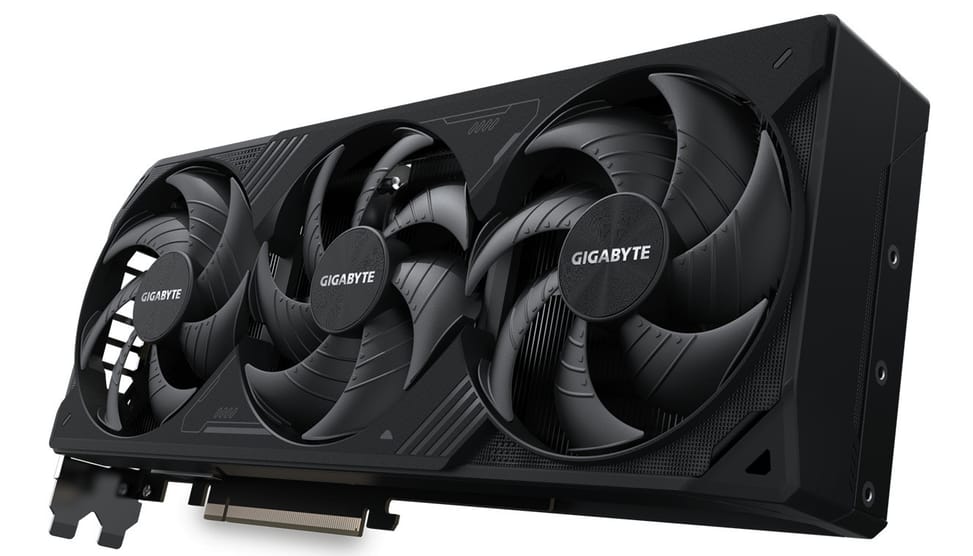
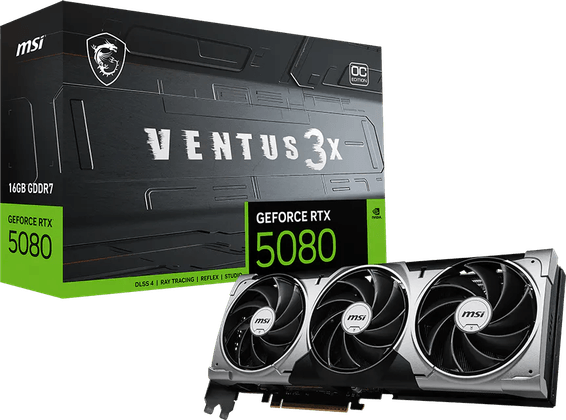
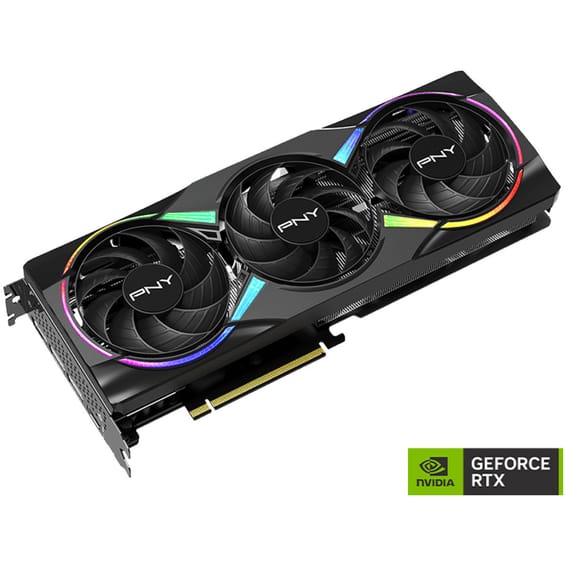
NVIDIA Blackwell architecture and triple-fan Windforce cooling, for quiet running even in a compact format.
NVIDIA Blackwell architecture
Triple-fan Windforce cooling
Versatile: 4K gaming, video editing, 3D rendering, AI
Ref.: 4719331355845
New
Out of stock
1/4
18 699,00 DHincl. VAT
Out of stock
Product overview
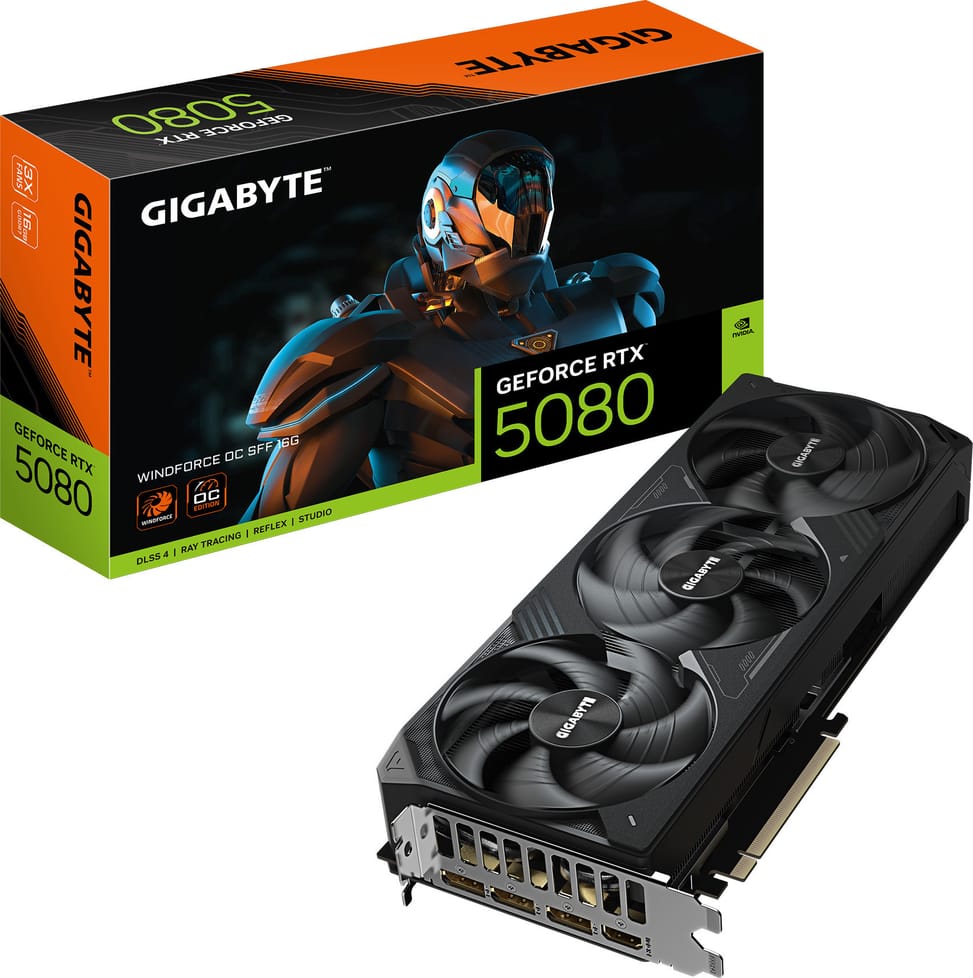
The Gigabyte GeForce RTX 5080 Windforce OC SFF harnesses the NVIDIA Blackwell architecture and 16 GB of GDDR7 memory to deliver top-tier performance in 4K gaming and creative work alike. Its compact SFF form factor makes it easy to fit into demanding cases, while the triple-fan Windforce cooling keeps temperatures under control and operation quiet. A versatile card, built for gaming, video editing, 3D rendering and AI workloads.
Be the first to review this product and help other customers.
Write a review
Frequently asked questions about this product
An RTX 5080 in a compact case — is that really possible?
Yes: this Windforce OC SFF carries the NVIDIA SFF-ready label, which certifies it for integration into small form factor builds. Check that your case also carries this label: it is the card-and-case pairing that guarantees compatibility, despite the three fans.
What does the Performance/Silent dual BIOS change on this RTX 5080?
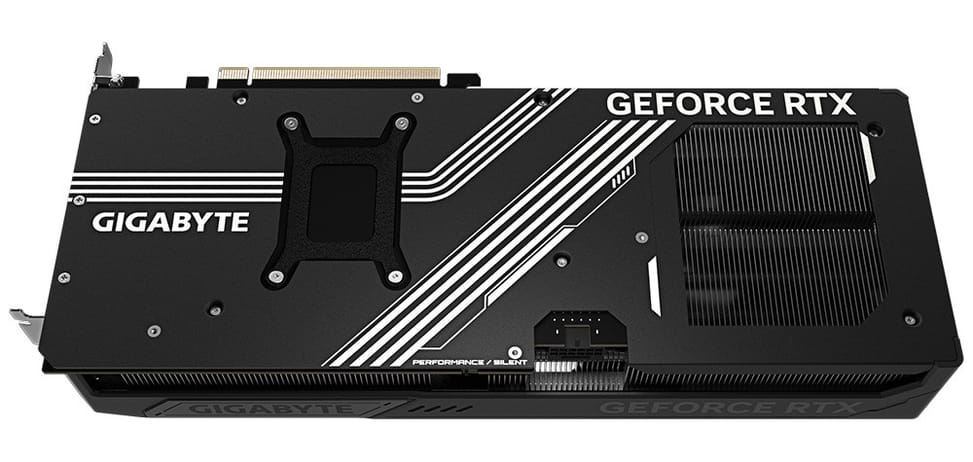
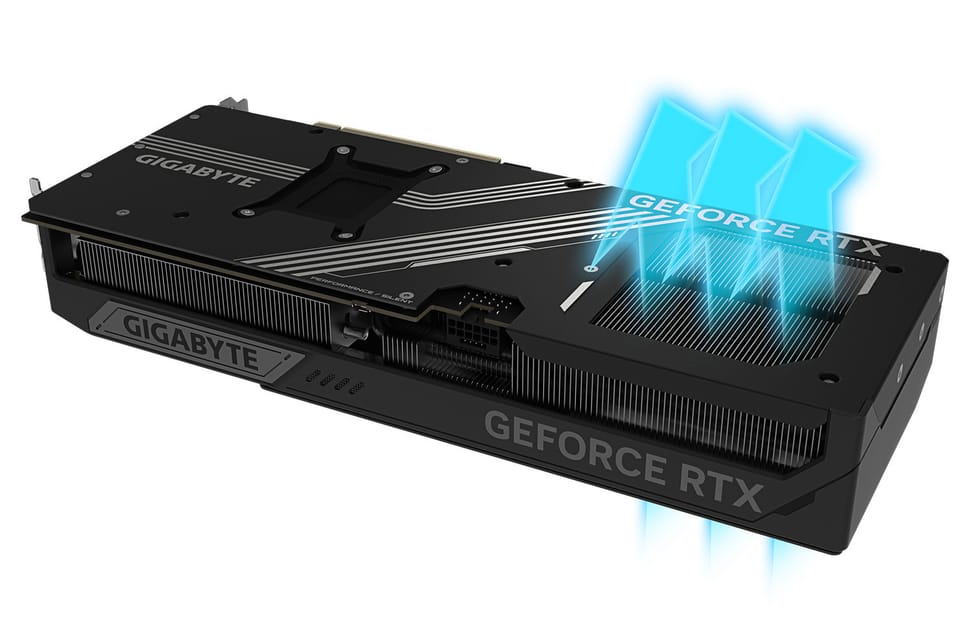
A physical switch toggles between two profiles: one favours performance, the other quietness by easing the fan curve. You choose according to the use — a workstation in a quiet office does not have the same requirements as a gaming session.
Do the fans on this Windforce spin all the time?
No: the 3D Active Fan feature provides semi-passive cooling and keeps the fans stopped as long as the GPU stays under light load or runs an undemanding game. They only start when the temperature requires it.
16 GB of GDDR7 on a 256-bit bus — for what uses?
For 4K gaming and for heavy creative work. The 256-bit bus provides the throughput that high-definition textures and path tracing demand, and the 16 GB capacity accommodates video editing or 3D rendering projects, or AI workloads, that more modest cards cannot hold.
What does DLSS 4.5 add compared with DLSS 4?
Dynamic multi-frame generation and a second-generation transformer model. DLSS 4 introduced multi-frame generation and transformer models; version 4.5 refines them, still with the same aim: more frames per second, lower latency, better image quality.
How does Gigabyte cool a card of this calibre in the SFF format?
With the Windforce system: three fans, a server-grade thermal gel — more stable over time than conventional paste — and a reinforced structure that stiffens the card. The semi-passive mode completes the package by eliminating all noise when not under load.
Is this card relevant for creative work and AI?
Yes. The 9th-generation NVIDIA encoder speeds up exports in DaVinci Resolve or Adobe Premiere Pro, the Studio drivers target stability in creative applications, and NVIDIA Broadcast cleans up voice and background in video calls and live streams.
Is the card new and under warranty?
Yes, new and covered for 1 year, with your invoice serving as the warranty document. The exact model is the GeForce RTX 5080 WINDFORCE OC SFF 16G, reference GV-N5080WF3OC-16GD, based on the NVIDIA Blackwell architecture.
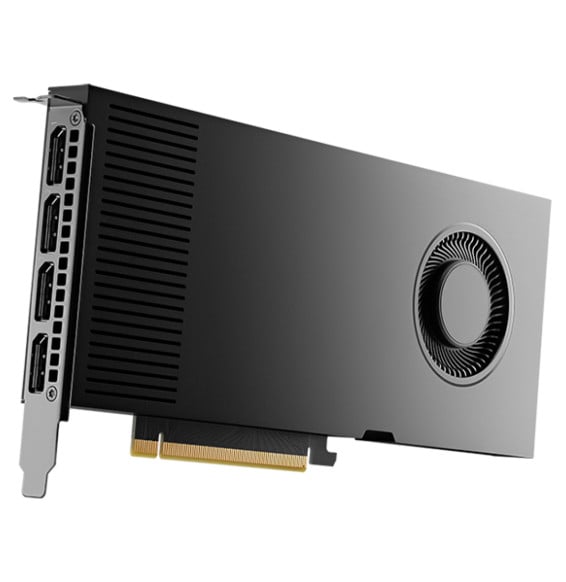
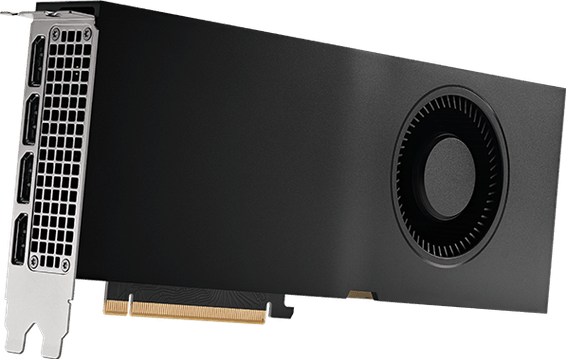
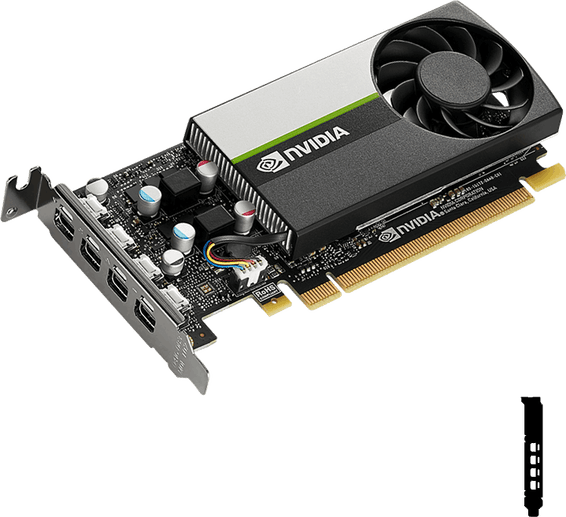
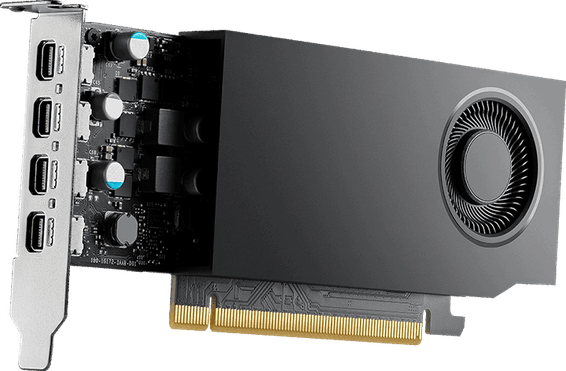
One slot and 130 W: it slips into most workstations and accelerates CAD, ray-traced rendering, simulation and AI. It drives up to four 4K displays at 120 Hz.
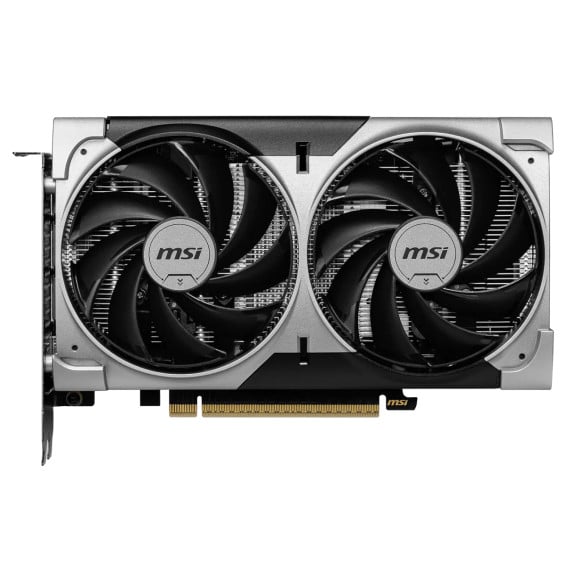
Compact and frugal: 24.5 cm long and two slots wide for smooth 1080p and 1440p gaming, with ray tracing and DLSS 4. A 600 W power supply and a single 8-pin connector are all it needs.
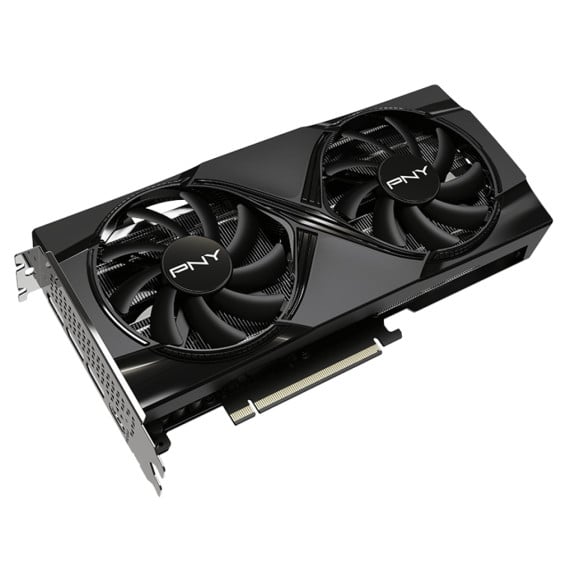
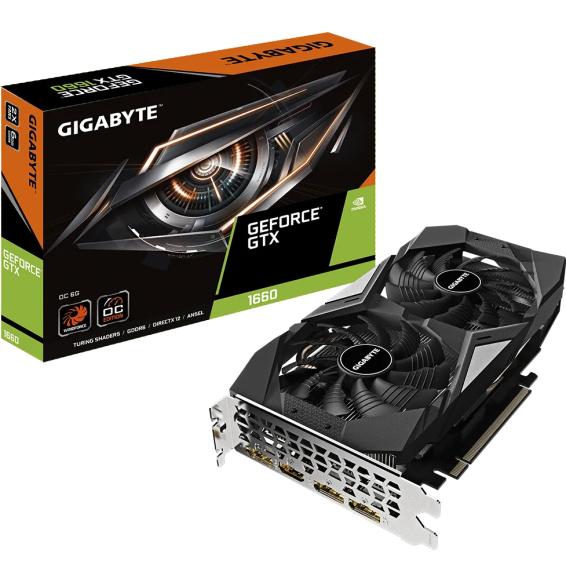
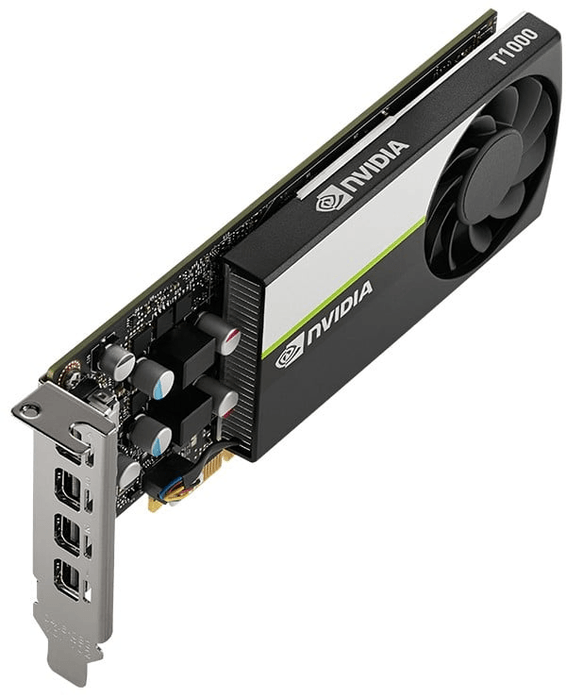
Turing and GDDR5 memory on a 192-bit bus for Full HD gaming, with a boost clock of 1830 MHz. The two 90 mm fans spin in opposite directions and stop under light load.
One slot and 130 W: it slips into most workstations and accelerates CAD, ray-traced rendering, simulation and AI. It drives up to four 4K displays at 120 Hz.