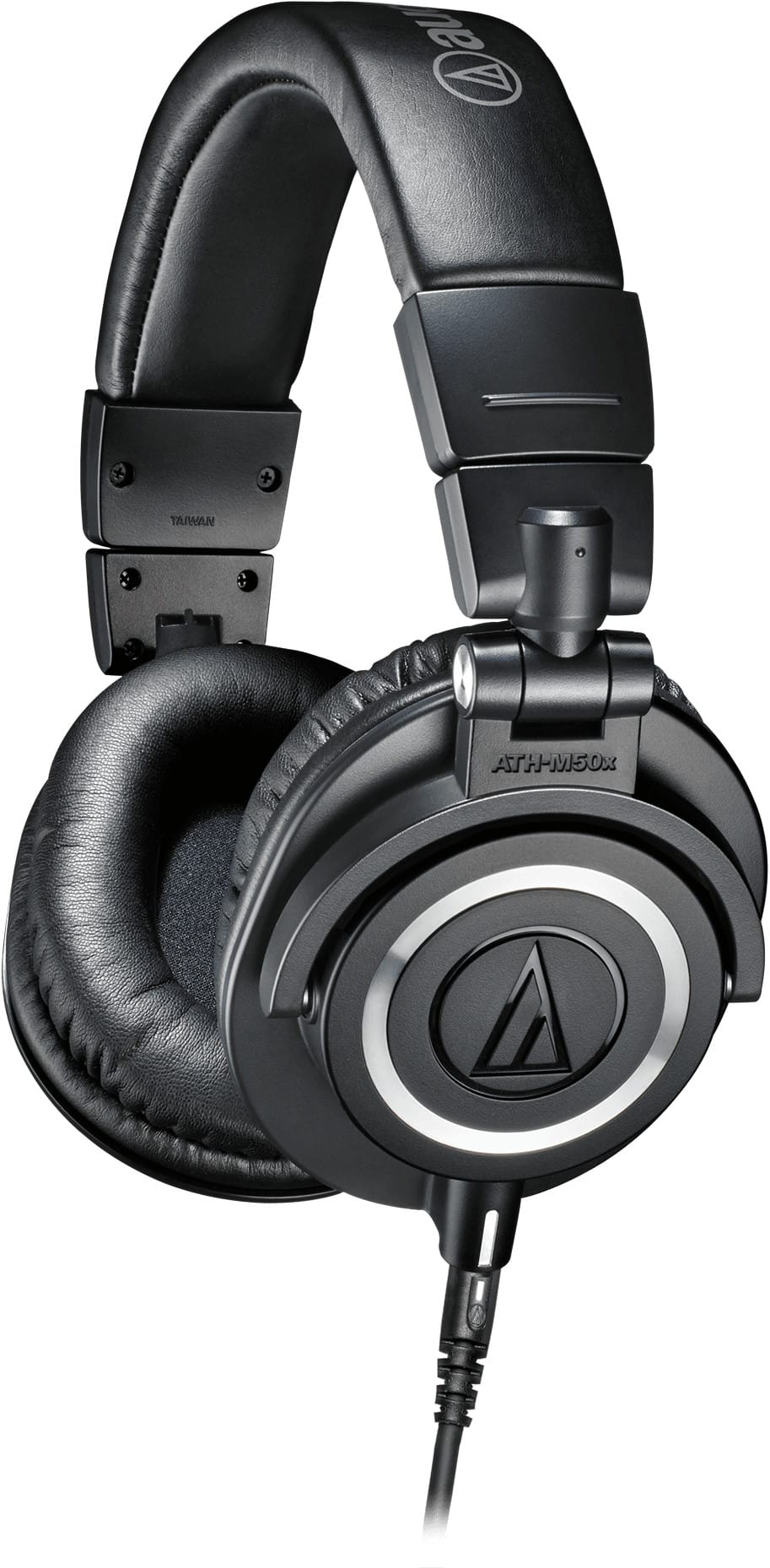
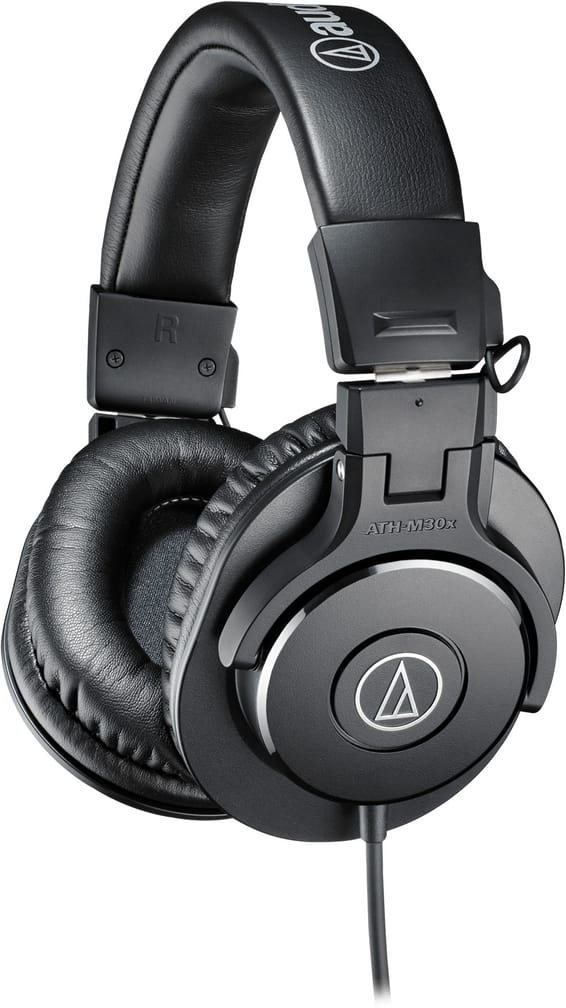
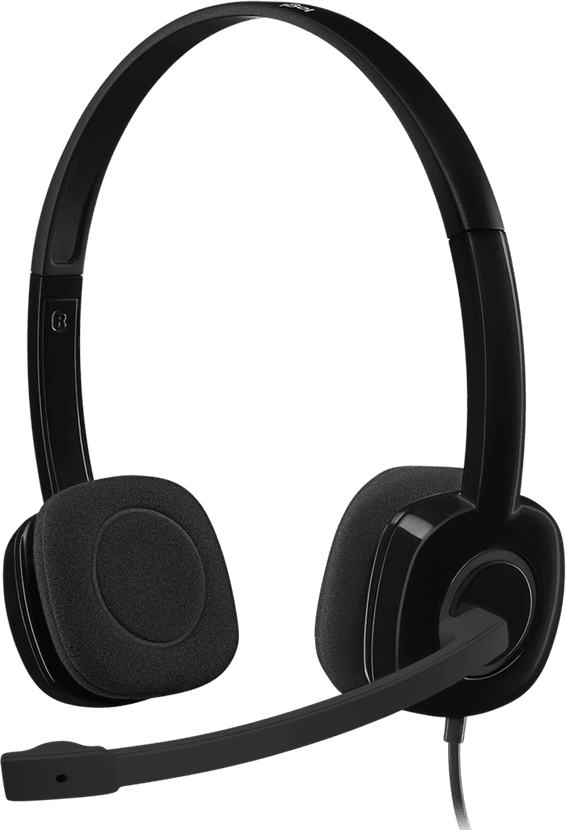
Audio-Technica ATH-M50X — Industry-Standard Professional Studio Headphones
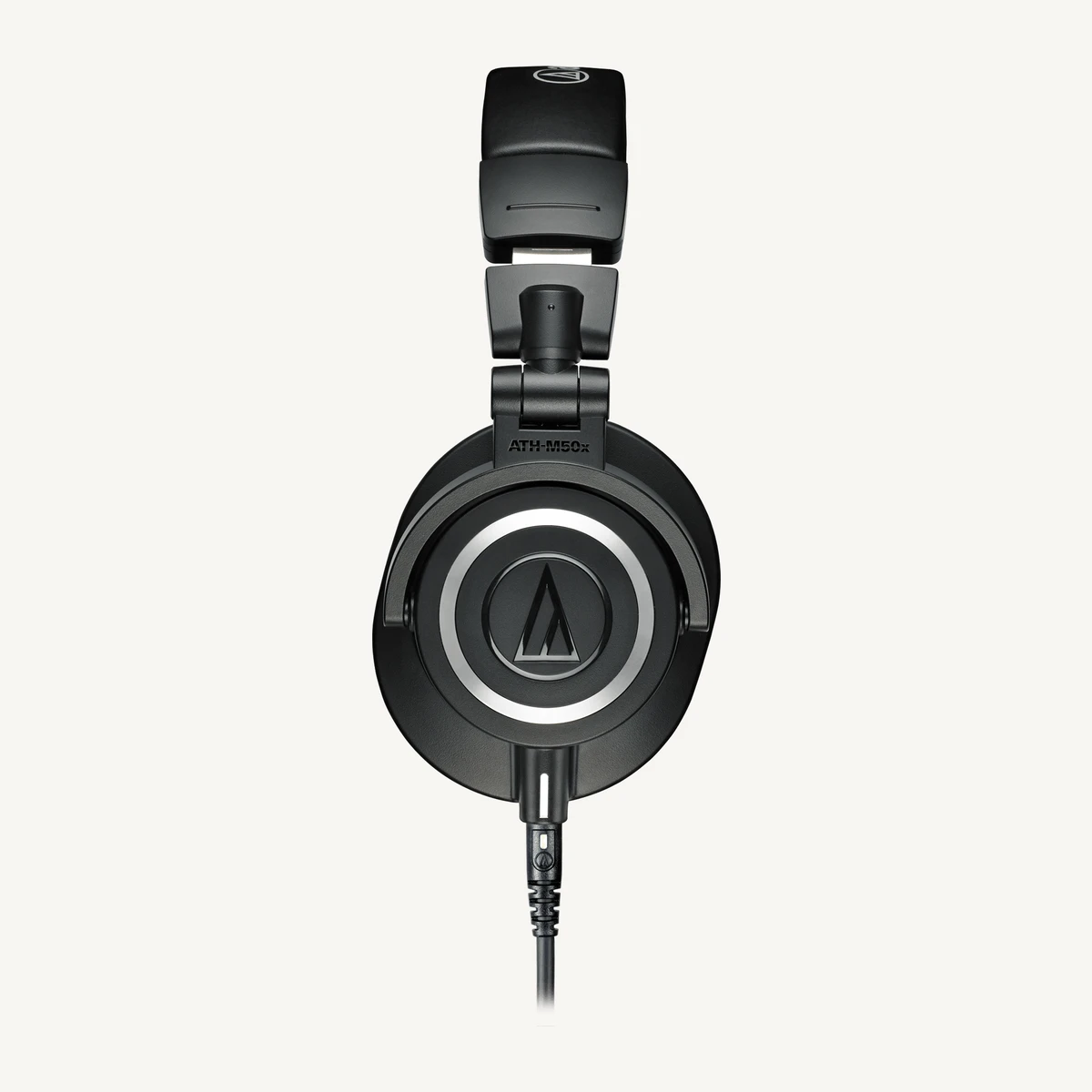
45 mm drivers and response up to 28 kHz: precise bass, fine treble and a deep soundstage for critical listening. The thick leather earpads isolate enough that no monitoring bleeds into the microphone.
45 mm drivers with neodymium magnets and CCAW voice coils
Response 15 Hz – 28 kHz
Thick leather earpads and rigid shell, reinforced passive isolation
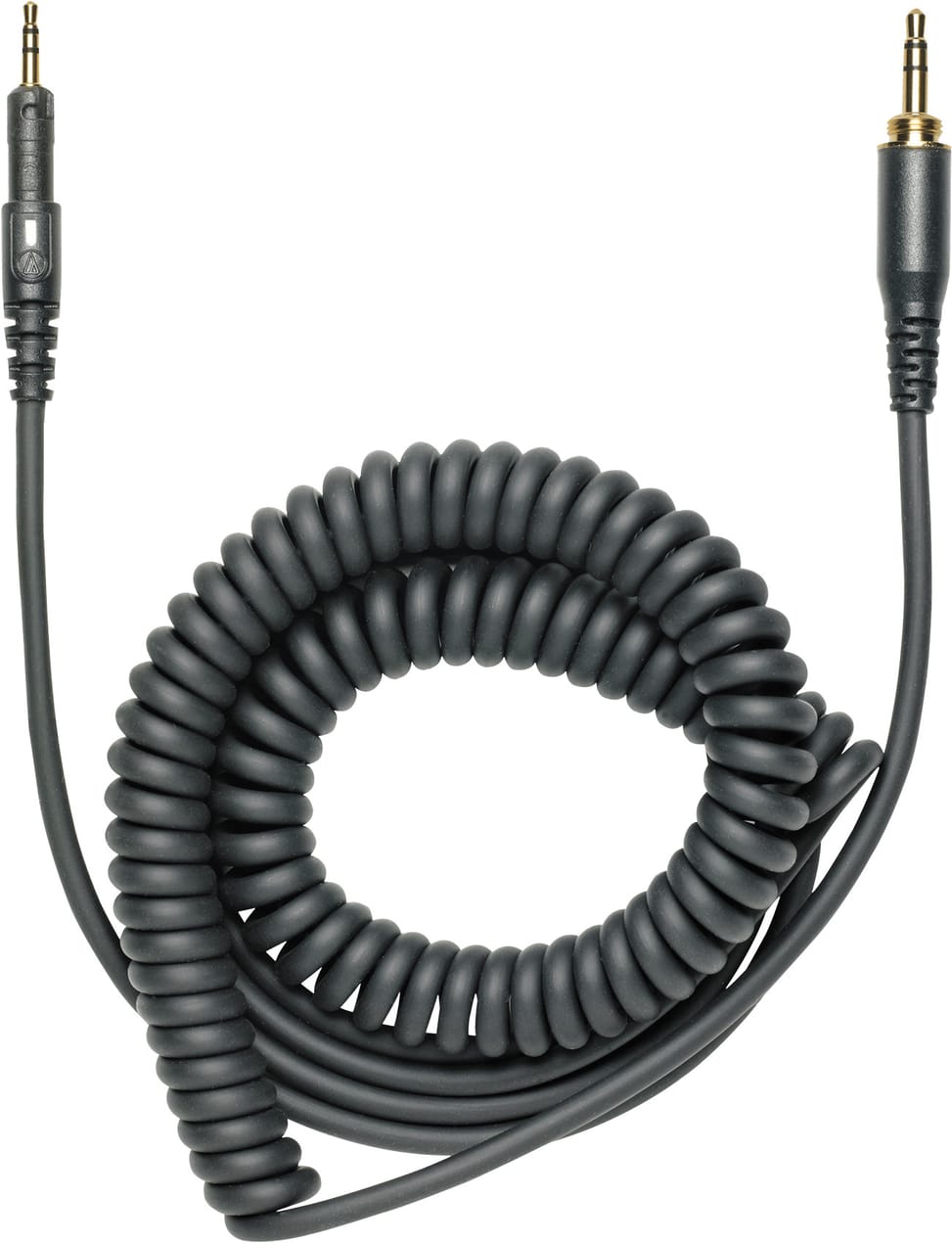
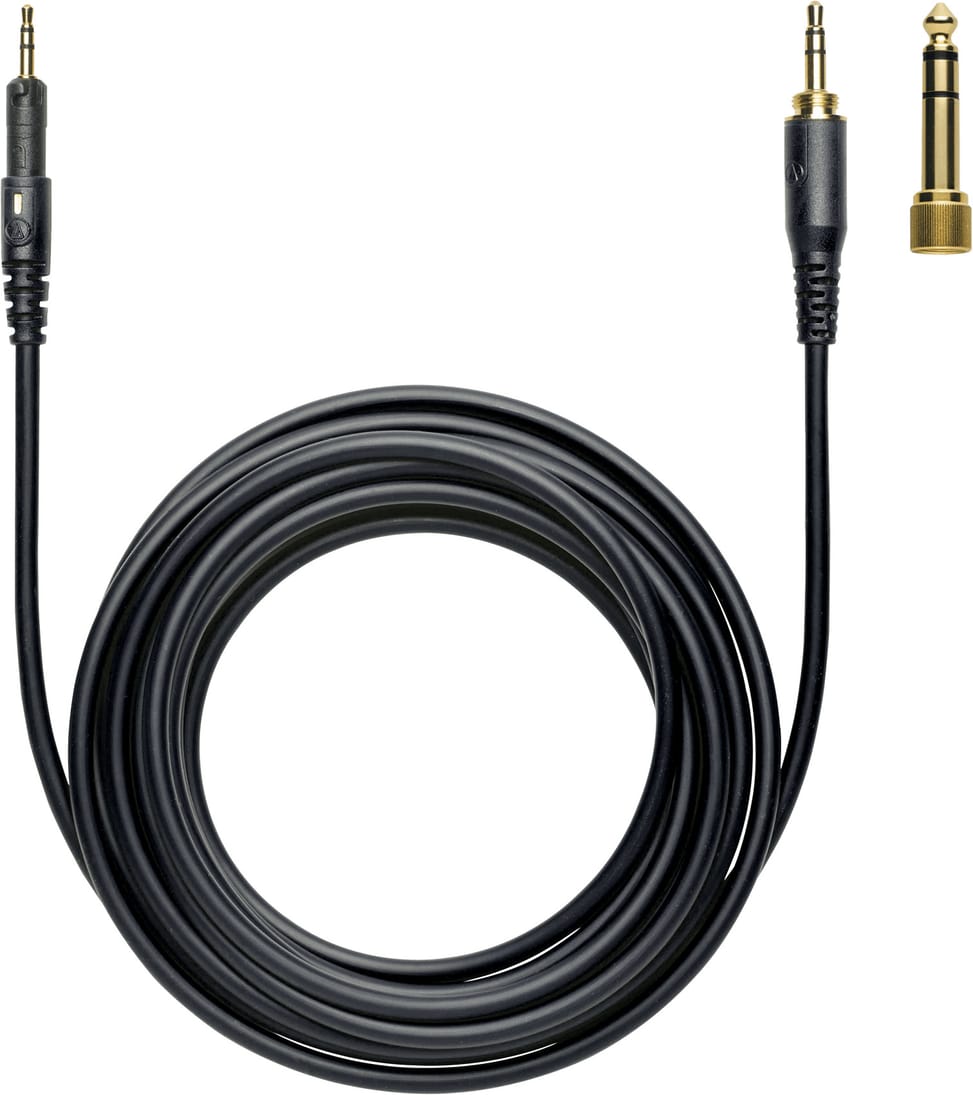
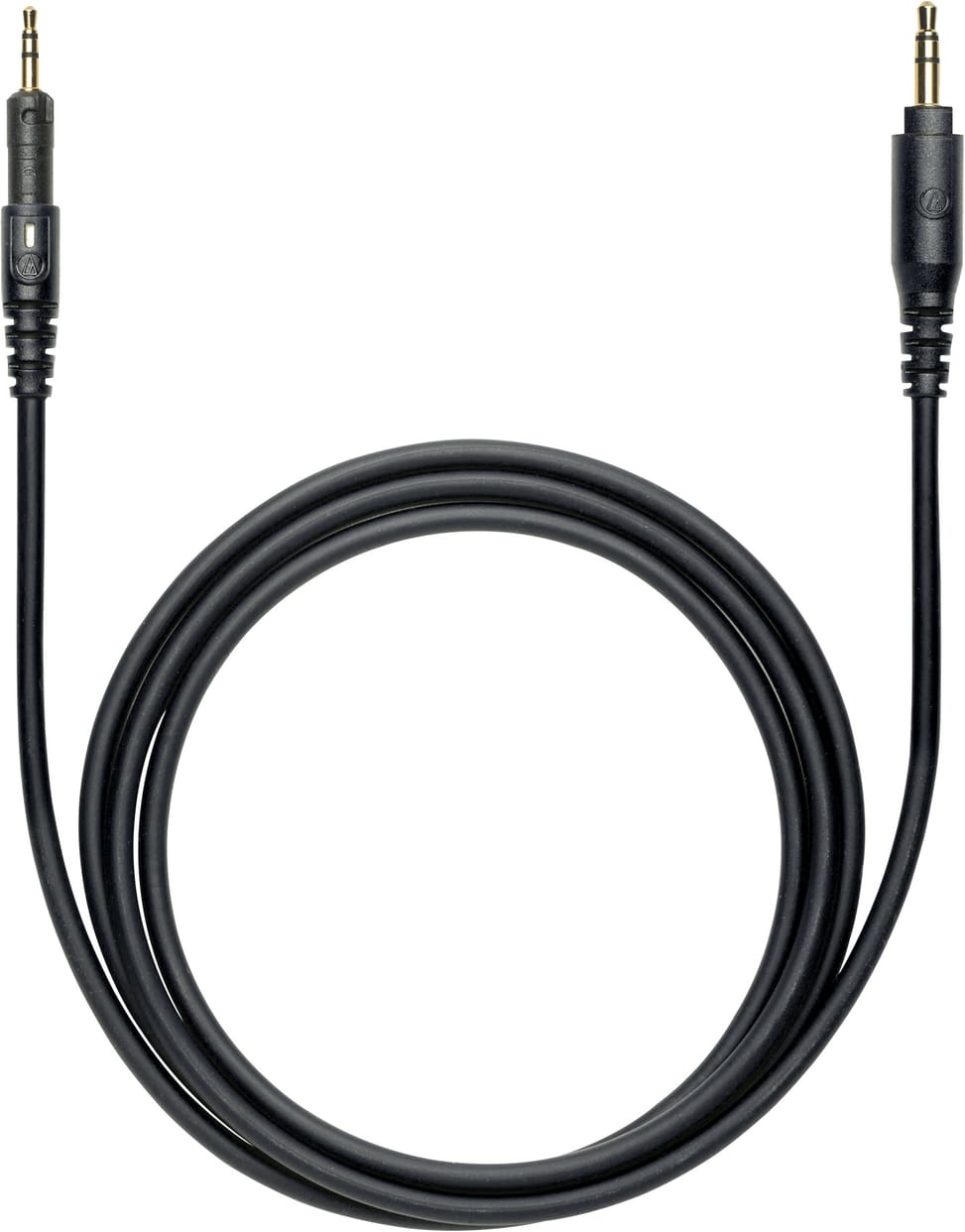
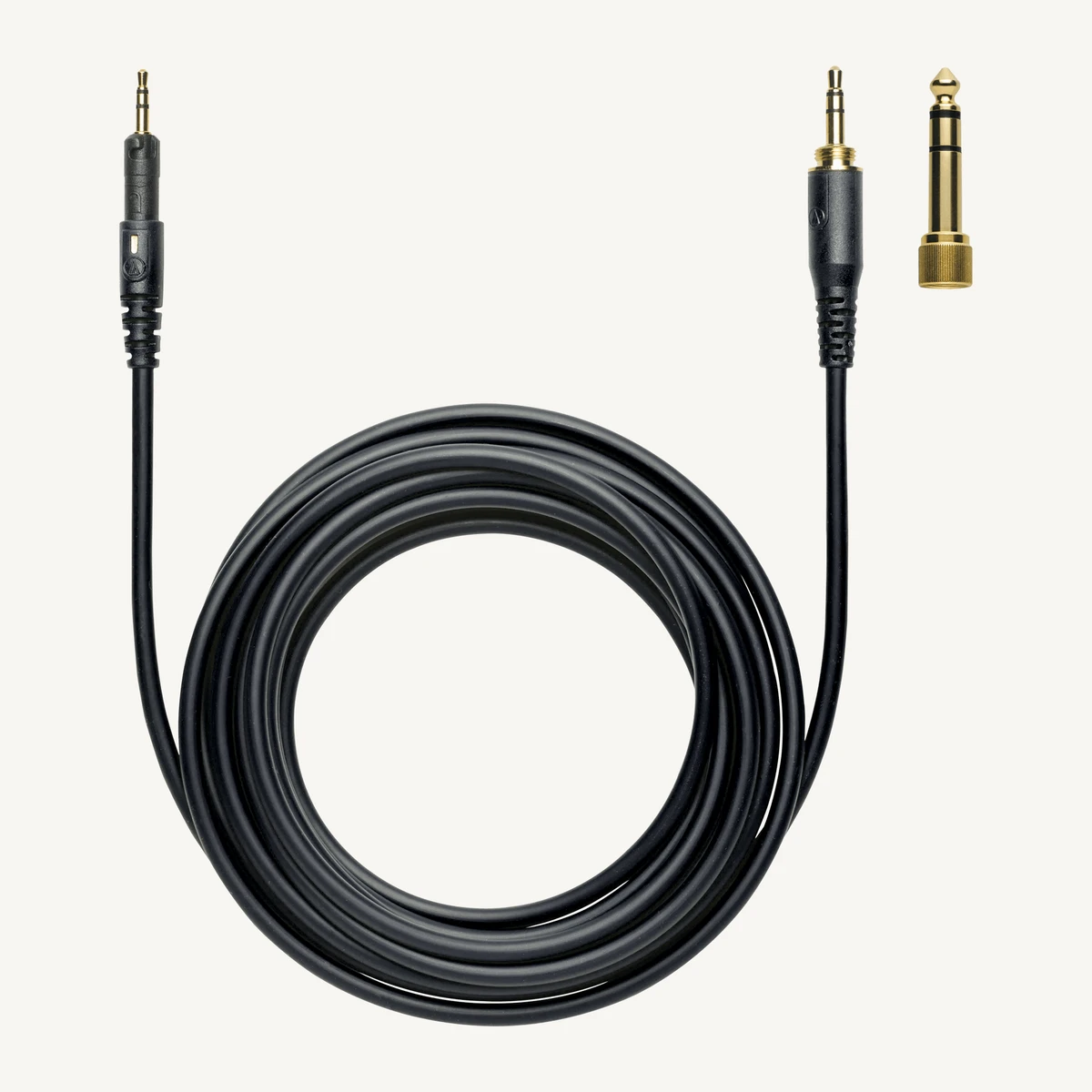
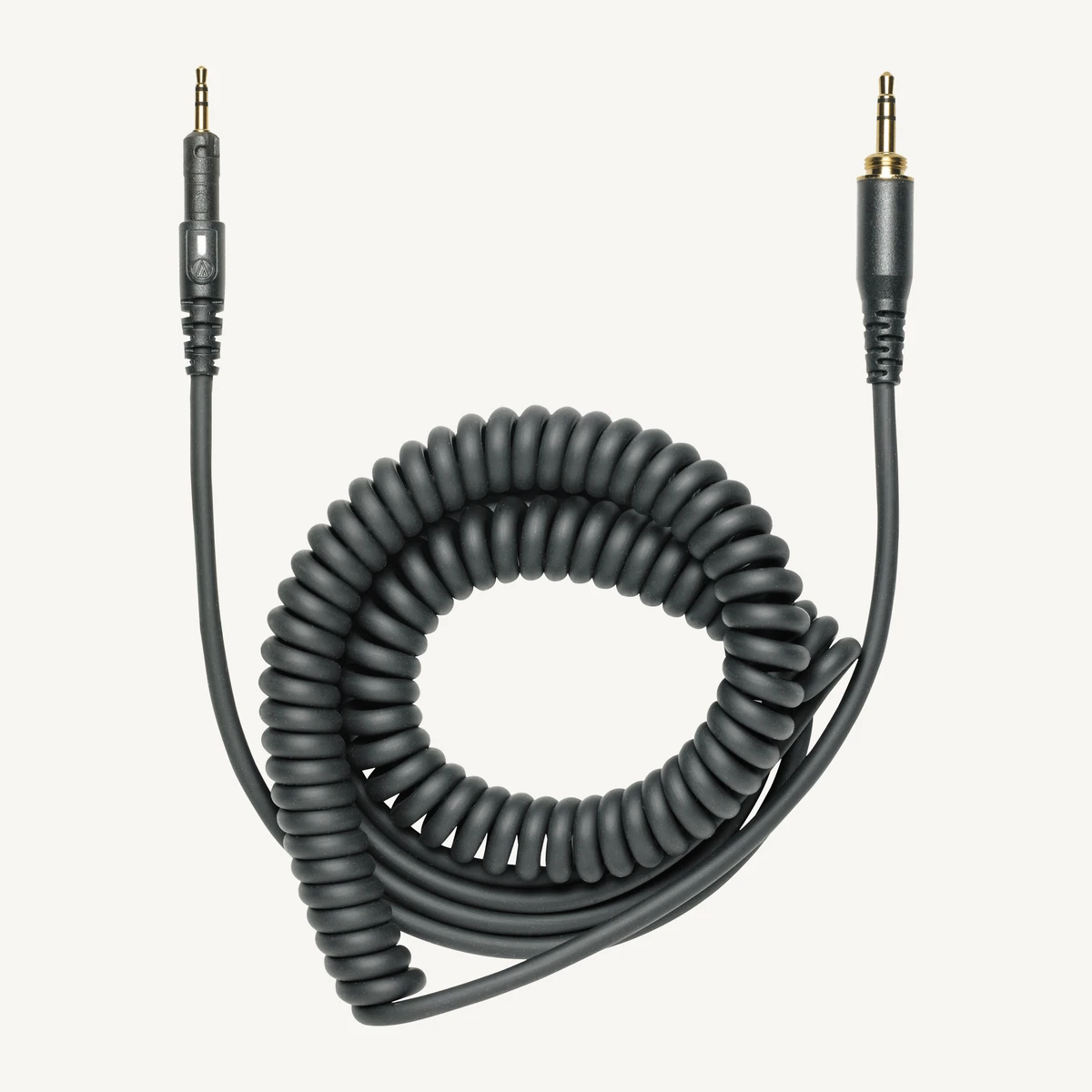
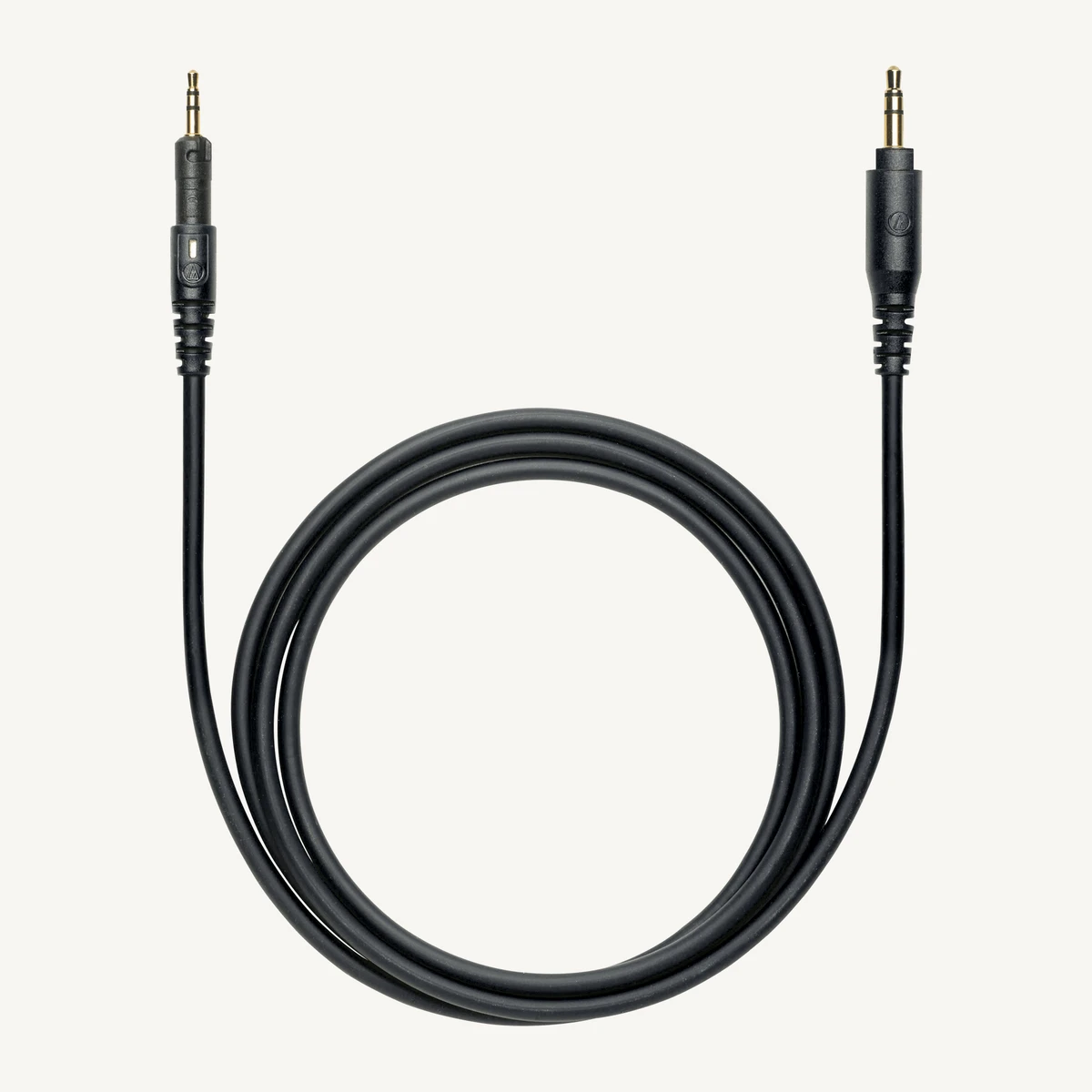
Three detachable cables: 1.2 m straight, 3 m straight and 1.2-3 m coiled
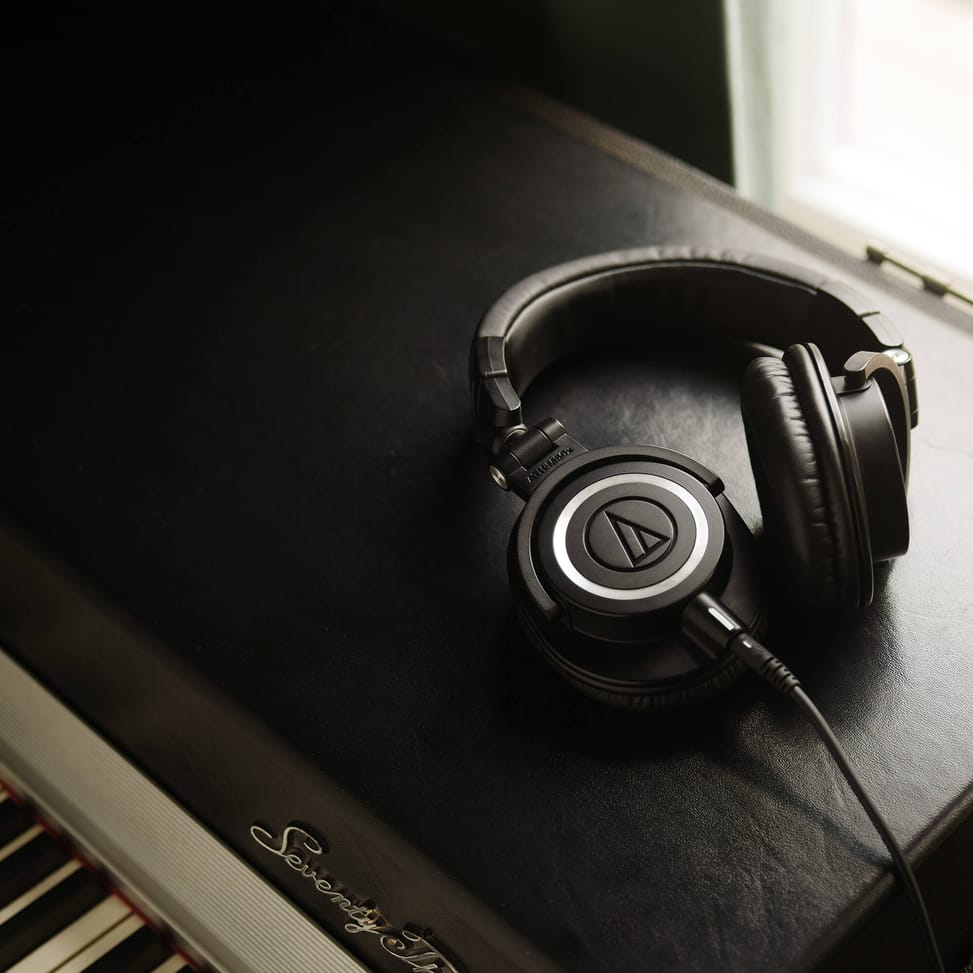
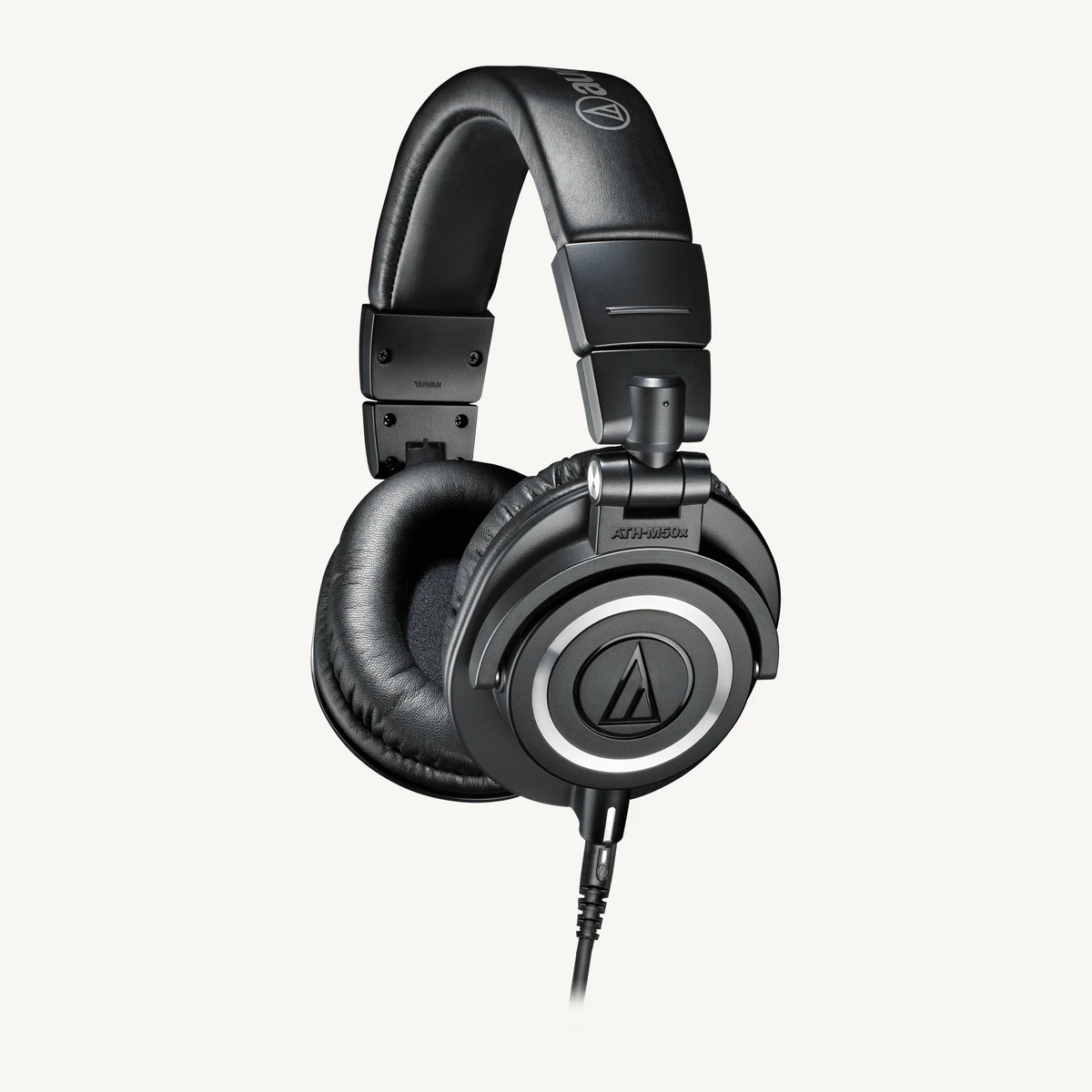
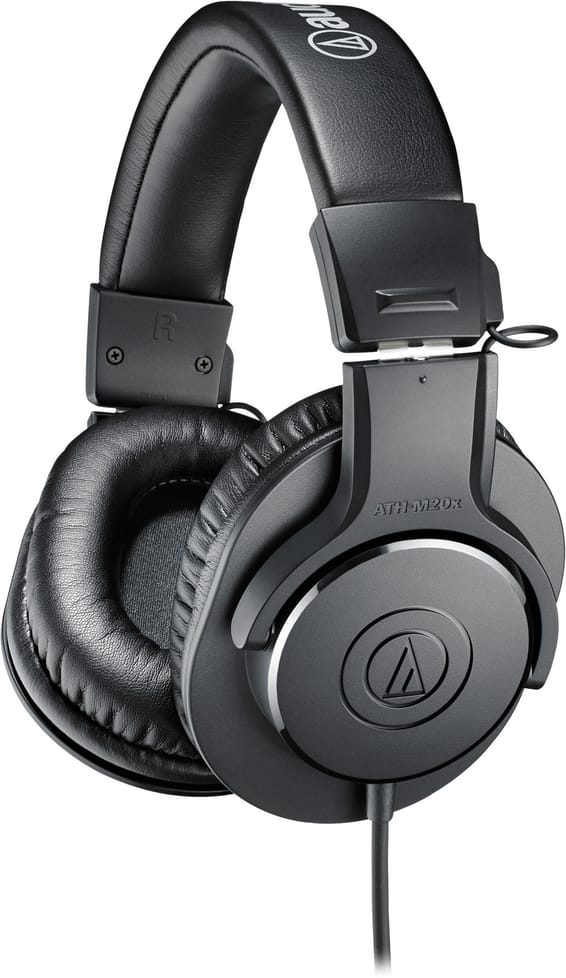
Reference studio headphones Audio-Technica ATH-M50X: a professional standard adopted by studios worldwide, from tracking to mixdown. Sound:45 mm drivers with neodymium magnets and CCAW voice coils, extended 15 Hz - 28 kHz response: precise bass, finely drawn treble and a deep soundstage for critical listening. Design: closed circumaural with 90° swivelling earcups and thick leather earpads — passive isolation strong enough to keep monitoring from bleeding into the microphone. Cable:three detachable cables supplied — 1.2 m straight, 3 m straight and 1.2-3 m coiled — to suit the studio as well as the street. Also: 99 dB sensitivity, 38 ohm impedance, 285 g, gold-plated 3.5 mm mini-jack, screw-on 6.35 mm adapter and carrying pouch.
Against the model it descends from, the ATH-M50X keeps the same sound and gains two things: revised earpads, and a cable that comes off. Three different cables ship with it, and it is that second point which lets one pair of headphones hold its place at a console, on a desk and in a bag.
Keeping one ear on the room
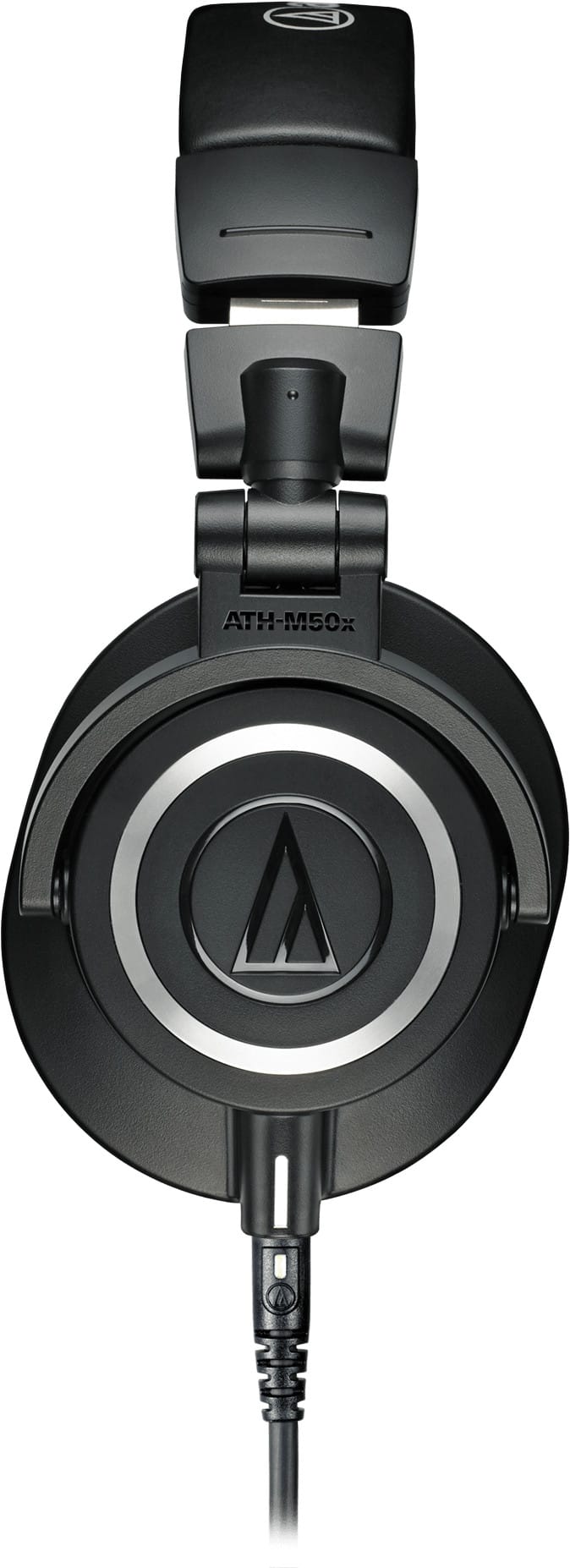
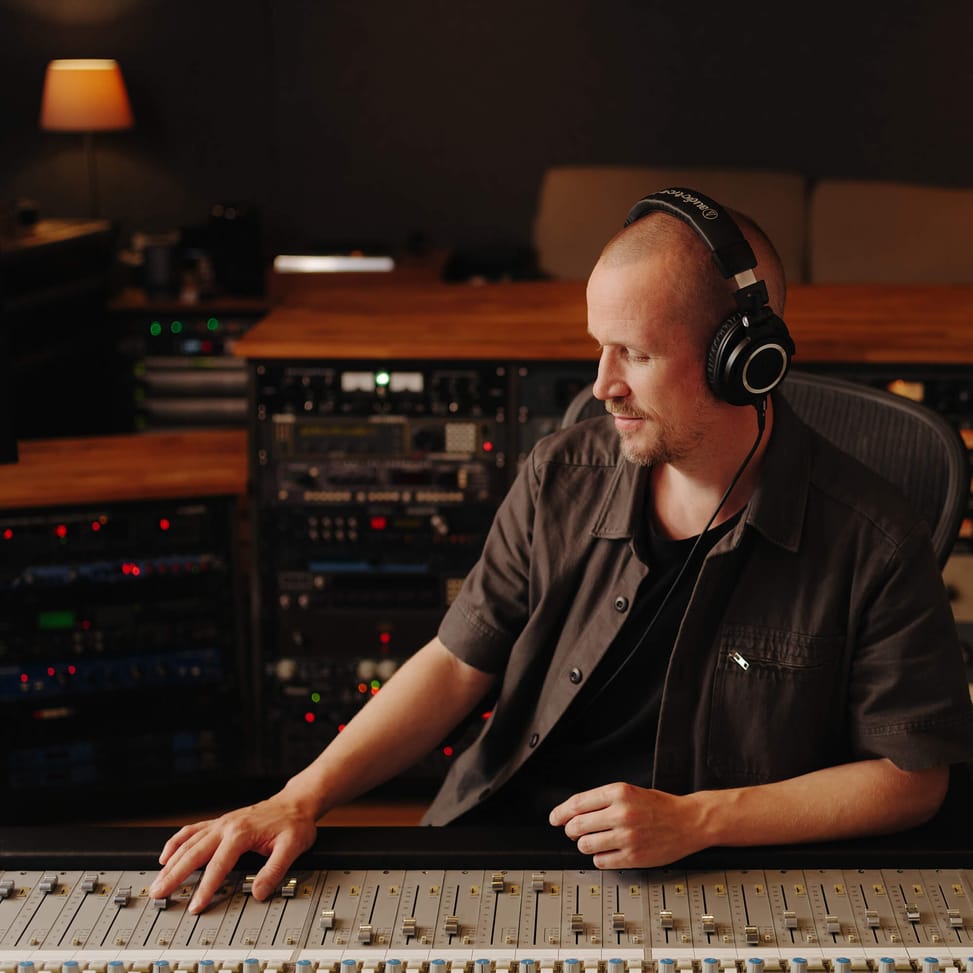
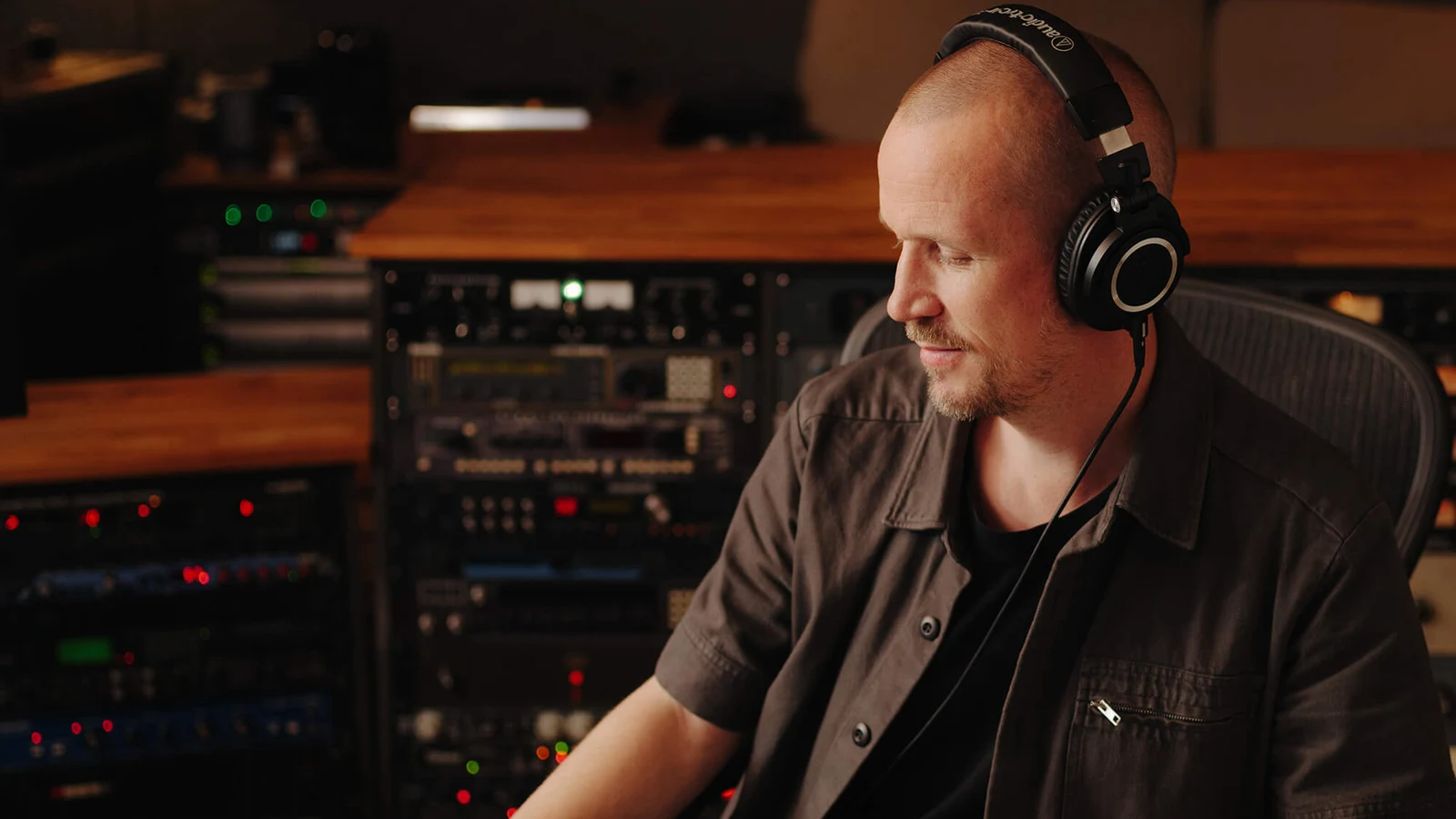
The earcups swivel 90° and then sit sideways. The engineer keeps one ear in the mix and the other on what is being played in front of them; the DJ counts the next bar without lifting the headband. Nothing gets unplugged for it: the cable stays where it is.
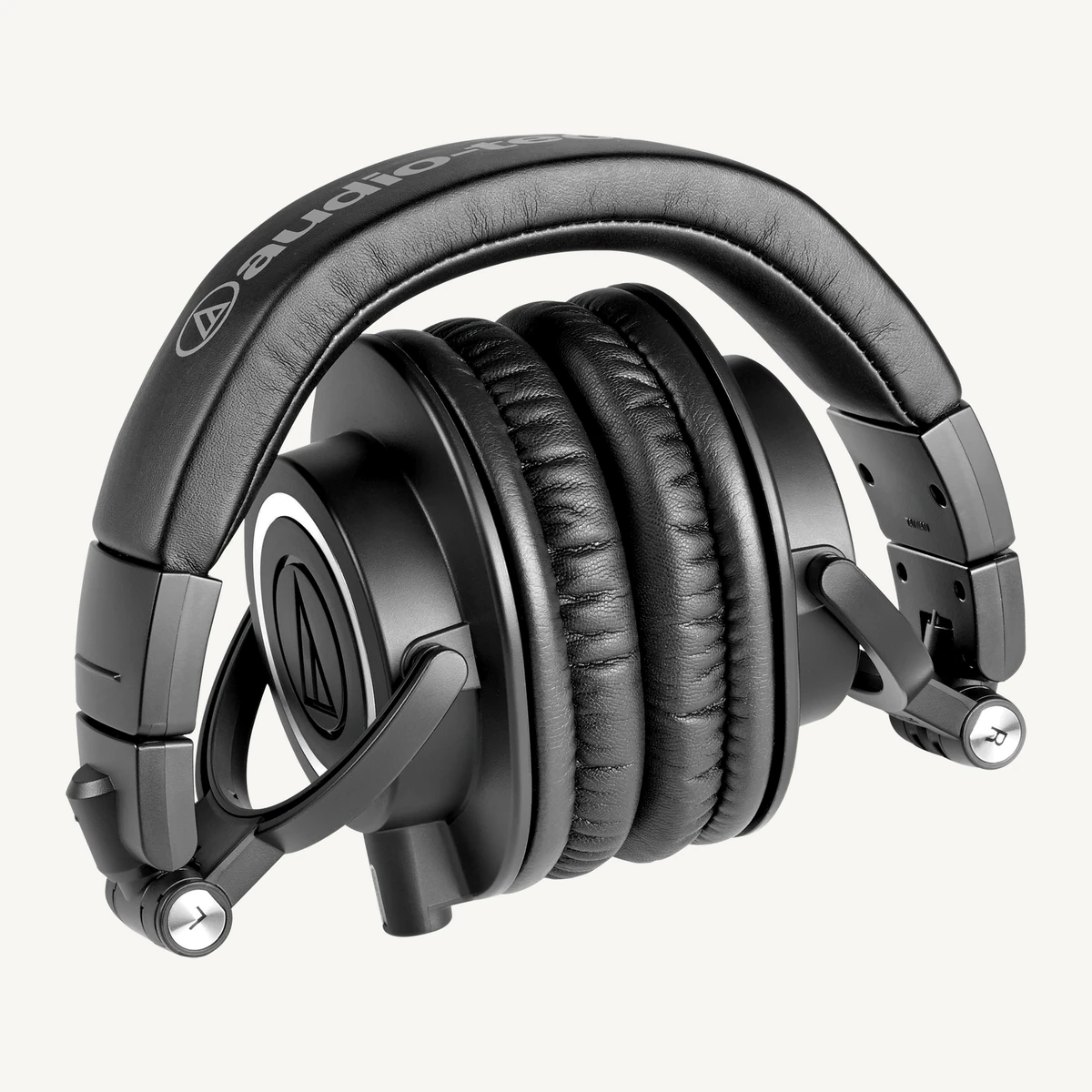
Folded, it goes in a bag
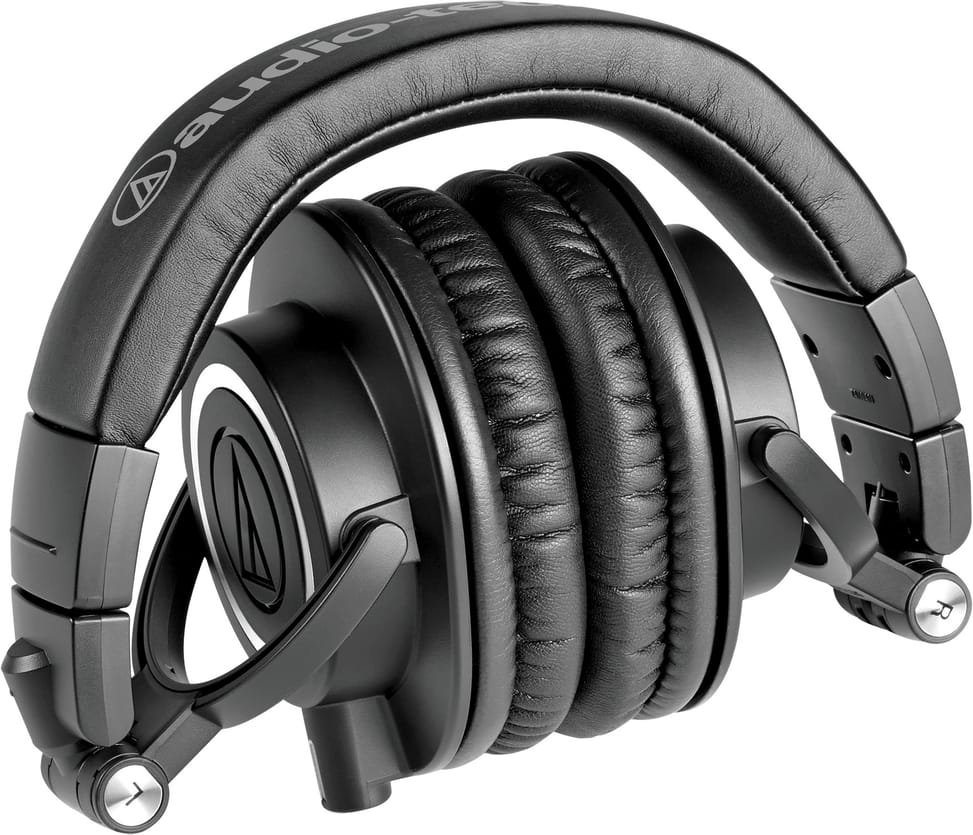
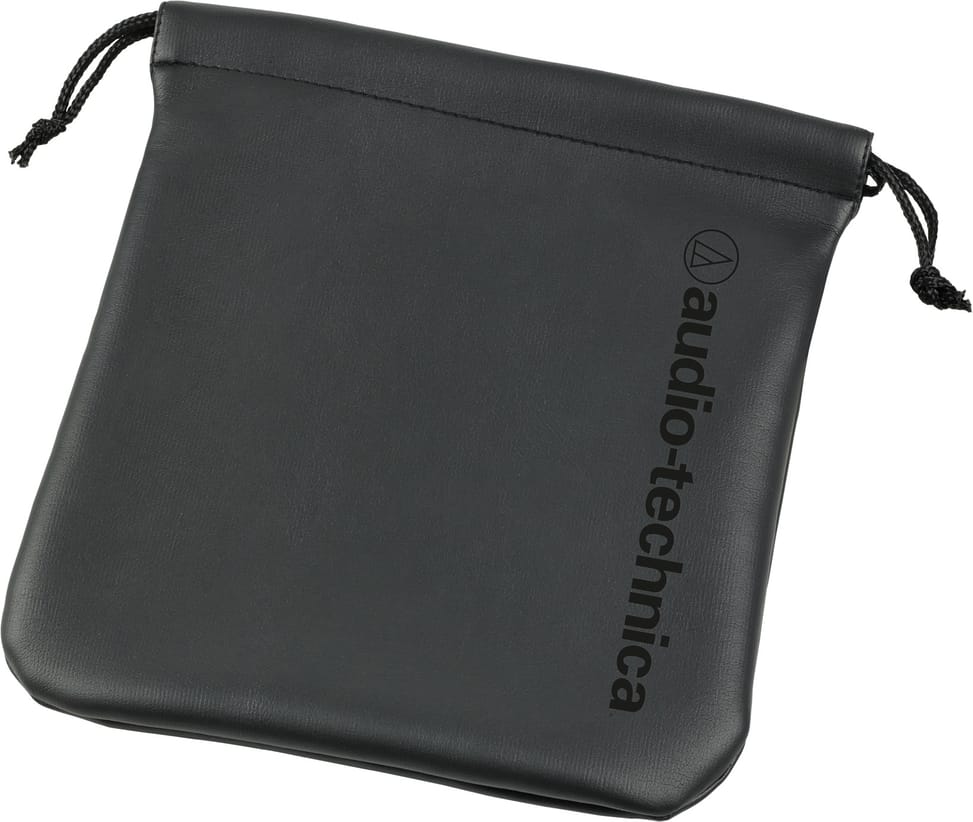
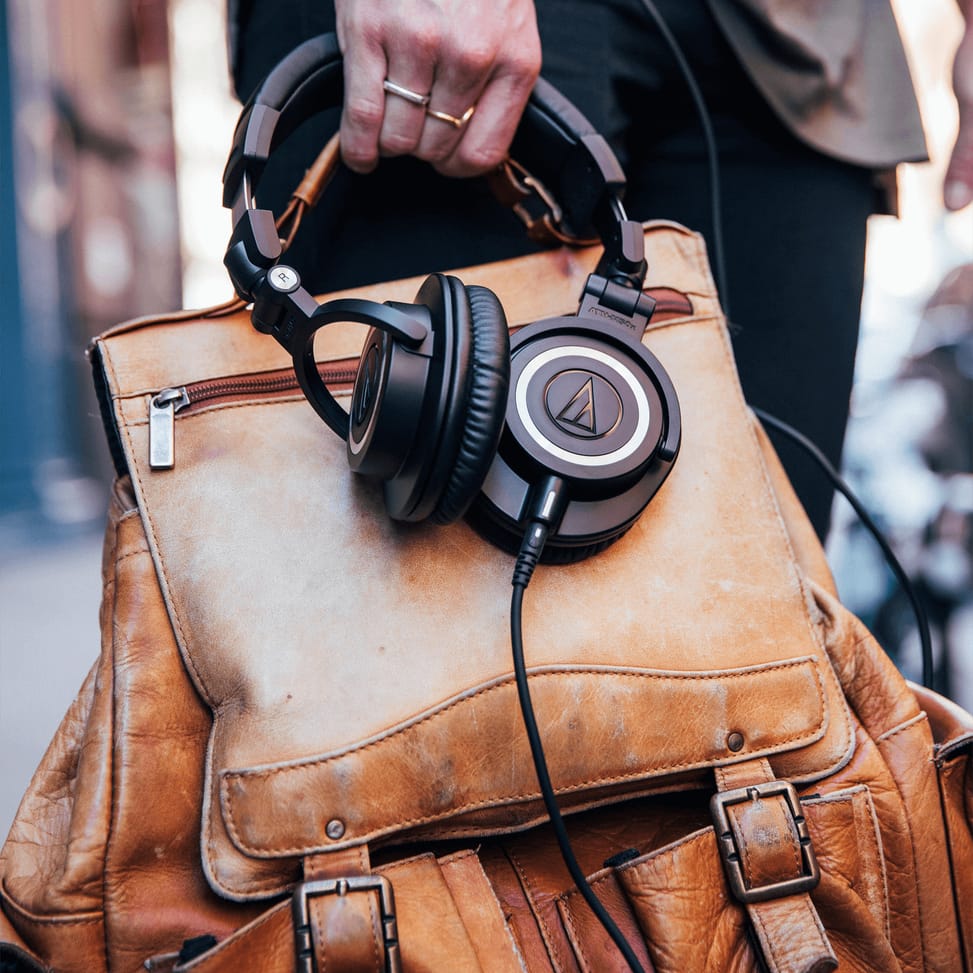
The headband retracts, the earcups fold inwards and the headphones become a compact block that the supplied pouch is enough to protect. At 285 g without cable or connector, they slip into an everyday bag.
Three cables, three ways of working
Only one of the three stays plugged in at a time: you clip on the one that matches the desk, the other two wait in the pouch. Here is what each one is for.
The 3 m straight cable
Three metres is enough to leave the mixing seat and go and listen to a rack up close without unplugging. The 6.35 mm adapter screws onto the end of the jack to go into an audio interface or a headphone amp; unscrewed, the plug becomes a gold-plated 3.5 mm mini-jack again.
The 1.2 to 3 m coiled cable
It stretches when you lean back for a folder and gathers itself up when you return: nothing trails across the desktop, nothing wraps around the chair base. This is the cable for long seated sessions.
The 1.2 m straight cable
One metre twenty is the distance from a pocket to your ears. The short cable does not hang under your chin, does not catch in a bag zip, and stows folded with the headphones.
Nothing to charge, ever
The isolation comes from the closed shell and the thickness of the earpads, not from a circuit. No battery to watch, no pairing to redo, no setting to find again the next day: the headphones are powered by the jack itself, and they sound the same in the eighth hour of a session as in the first.
Monitoring headphones stay on your head for the whole session: what they do not ask for counts as much as what they give.
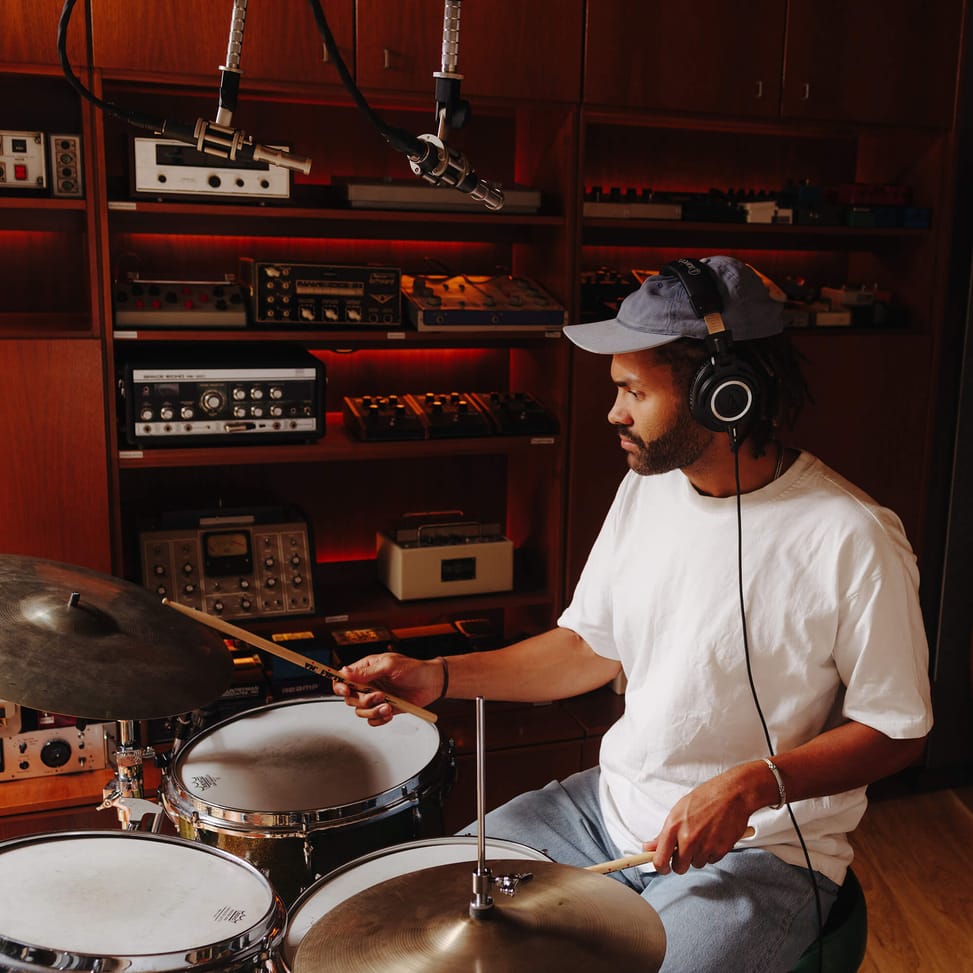
Who they are for. Anyone editing, mixing or recording who wants to hear what the file actually contains. The 45 mm drivers with neodymium magnets cover 15 Hz to 28 kHz with bass that holds, and passive isolation keeps the monitoring inside the earcups during a vocal take.
Instead of what. Instead of wireless noise-cancelling headphones, when the job is to hear the flaw rather than forget it — and instead of headphones with a fixed cable, which have to be replaced whole the day the cable gives out.
Technical specifications
Technical specifications
Headset frequency response
15 Hz to 28 kHz
Microphone frequency response
None (headphones without a microphone)
Cable length
1.2 m and 3 m (straight) and 1.2 to 3 m (coiled)
Wireless technology
None (wired headset)
Power handling
1,600 mW at 1 kHz
Microphone type
None (headphones without a microphone)
Microphone sensitivity
None (headphones without a microphone)
Talk time
None (wired headset)
Standby time
None (wired headset)
Box contents
Headset, three detachable cables, screw-on 6.35 mm jack adapter, carrying pouch
Weight
285 g (without cable or connector)
Product colour
Black
Wearing style
Foldable headband, 90° swivelling earcups
Acoustic design
Closed-back
Type
Headphones
Connector
3.5 mm jack
Bluetooth codecs
None (wired headset)
Headphone form factor
Circumaural (over-ear)
Listening
Stereo (both ears)
Technical specifications (continued)
Noise cancellation
No noise reduction
Headphone use
Music & mobility
Compatible platforms
Any audio device with a 3.5 mm or 6.35 mm jack
Ear cushions
Thick leather over a rigid shell
Headset connection
Gold-plated 3.5 mm stereo mini-jack, detachable cables, screw-on 6.35 mm adapter included
Adapter or receiver included
Screw-on 6.35 mm jack adapter
Headset charging
None (wired headset)
Wireless range
None (wired headset)
Simultaneously connected devices
None (wired headset)
Listening time
None (wired headset)
Charging time
None (wired headset)
Microphone boom
None (headphones without a microphone)
Active noise cancellation (ANC)
None (passive isolation only)
Driver size
45 mm, neodymium magnet drivers with CCAW voice coils
Be the first to review this product and help other customers.
Write a review
Frequently asked questions about this product
What is the difference between the ATH-M50X and the M40X?
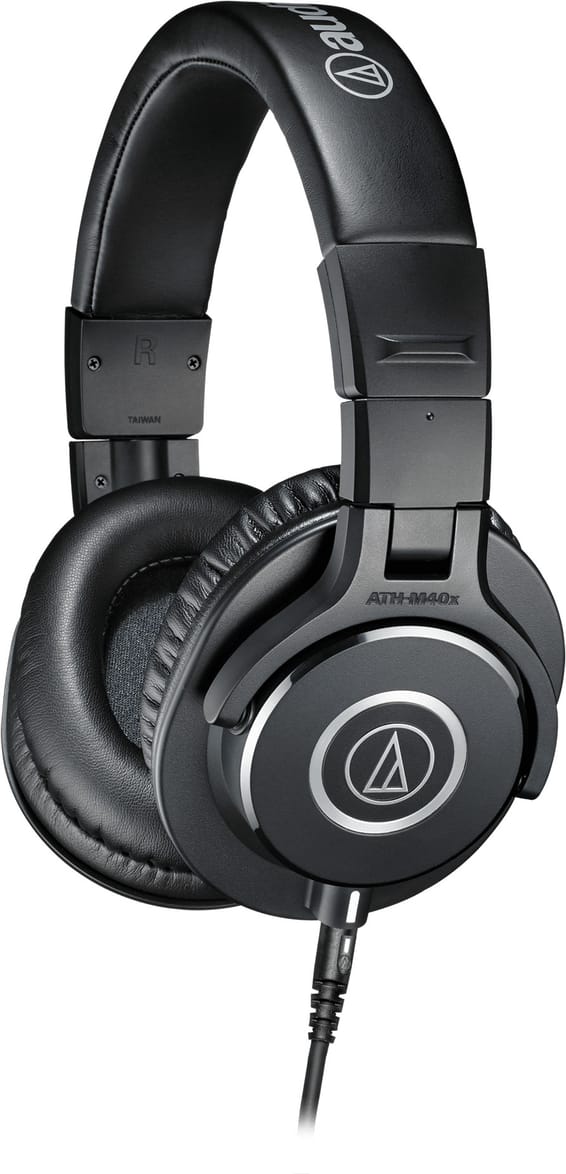
45 mm drivers instead of 40, a response that extends to 28 kHz instead of 24, and thicker leather ear cushions on a rigid shell: passive isolation and soundstage depth both benefit.
How many cables come with the ATH-M50X?
Three, all detachable: a 1.2 m straight cable for on the go, a 3 m straight cable for the studio and a 1.2 to 3 m coiled cable for field work. You swap them depending on the workstation.
Does sound leak into the microphone during a vocal recording?
The thick leather ear cushions and the rigid shell reinforce passive isolation: the monitor mix stays inside the ear cups. This is what allows these headphones to be used in a vocal booth without spoiling the recording.
Do the ear cups swivel for listening with one ear?
Yes, they swivel 90°. It is the move of the engineer who keeps one ear on the room, and of the DJ who compares two sources — something headphones with fixed ear cups do not allow.
How good are the 45 mm drivers in these headphones?
They combine neodymium magnets with CCAW voice coils — copper-clad aluminium wire, which is lighter and follows the signal more closely. Their range covers 15 Hz to 28 kHz, beyond the typical range of hearing.
What is in the box of the ATH-M50X?
The headphones, their three detachable cables, a screw-on 6.35 mm jack adapter and a carrying pouch. The adapter's thread stops it from staying stuck in the console socket when you unplug.
Do these headphones have electronic noise cancellation?
No, no active cancellation: isolation is entirely passive, achieved by the closed shell and the thick ear cushions. Nothing processes the signal, which is exactly what you want from critical listening headphones.
Are the Audio-Technica ATH-M50X headphones new and under warranty?
Yes, new and genuine, with a 1-year warranty provided by the invoice. They weigh 285 g without the cable, the weight of closed-back monitoring headphones with thick ear cushions.
Airy and wide without giving up all isolation: the 50 mm drivers cover 10 Hz to 30 kHz, with bass that is present but controlled and readable mids. It plugs straight into a computer.
Flat calibrated response, with no added colouration: what you mix is what you hear. The enveloping earpads and the sealed shell isolate from ambient noise and prevent any bleed into the microphone in the recording booth.
Swapping cables takes a second: 3 m straight in the studio, coiled in the field. The 40 mm drivers with neodymium magnets reach up to 24 kHz, and the ear cups swivel 90° for one-ear monitoring.
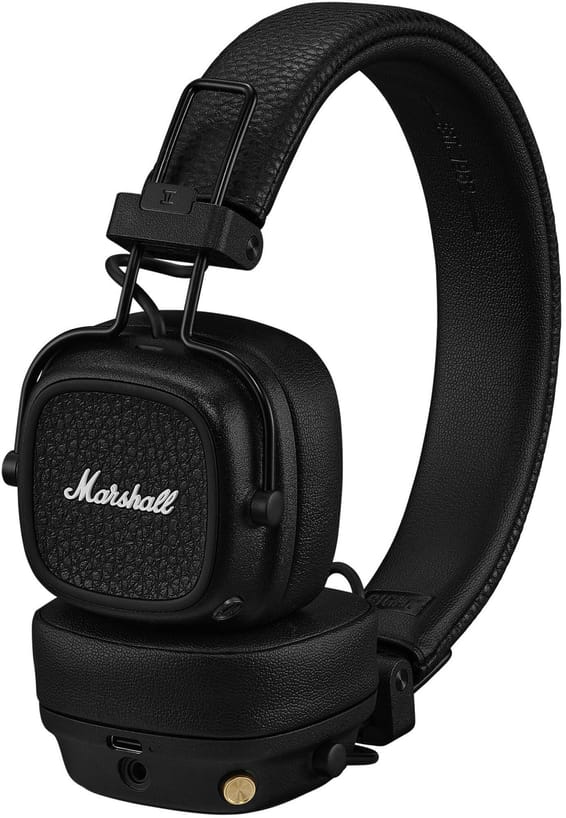
Sixteen hours of playback per charge, and a folding design that makes it fit in a bag. Made from 100% recycled GRS-certified plastic, for 167 g on the head.
No dedicated amplifier needed: it plugs straight into a smartphone, a tablet or a laptop with no loss of volume. The 50 mm drivers cover 10 Hz to 25 kHz and the 3 m cable can be replaced if it breaks.
One earcup swivels 90° to listen with a single ear and keep the other on the booth, the DJ's gesture. Response reaches 22 kHz and isolation stays tight: the same model moves from mixing to tracking to the booth.
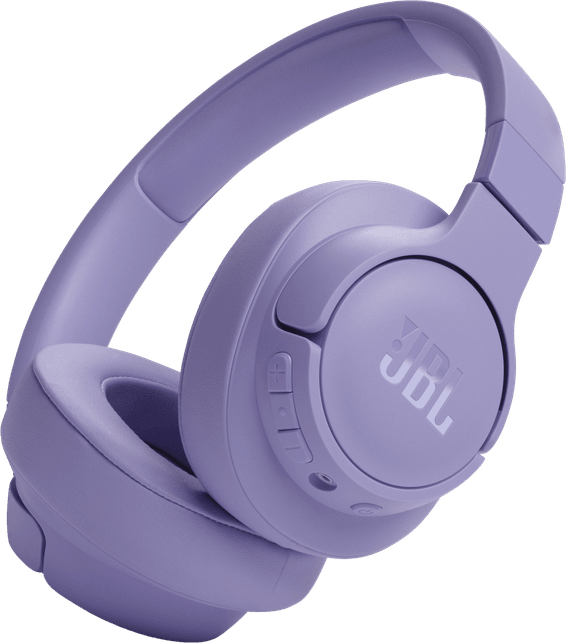
The JBL Headphones app tunes the equaliser to your taste, and Voice Aware lets you hear your own voice during a call. Connected to two devices at once, 220 g on the head, 76 hours of stated listening.
More than 100 hours of wireless battery life, and recharging that does without a cable: just set it on a base. Foldable for long journeys, with an M button to customise from the app.
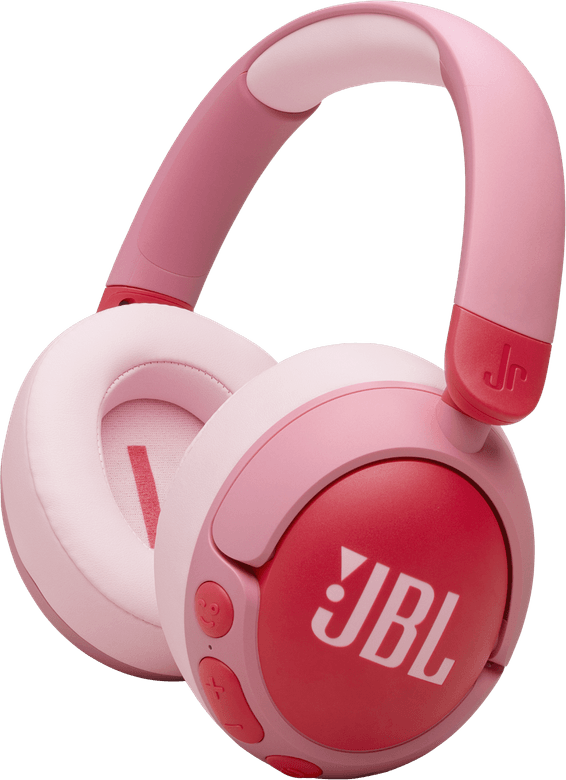
Folding flat, it slips into a school bag, and the headband adjusts as the child grows. The volume stays under 85 dB, active noise cancelling stops them turning the sound up, and the jack cable allows listening with no battery.
It plugs into a computer as easily as a tablet or a smartphone, with nothing to install. Rotating noise-cancelling microphone to wear on the left or the right, volume and mute on the cable.