
Best seller
Ugreen
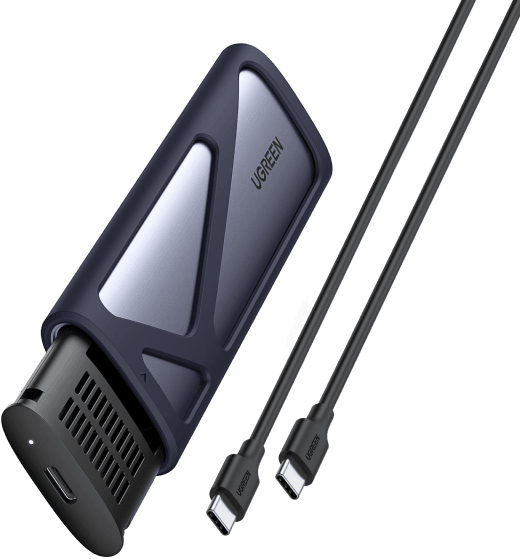
Ugreen NVMe M2 External SSD Enclosure (10902)
In stock
349 DHincl. VAT349,00 DHincl. VAT
Delivery everywhereDelivered all over Morocco
Welcome to the new iris.ma
We rebuilt everything for you
Same team, same standards
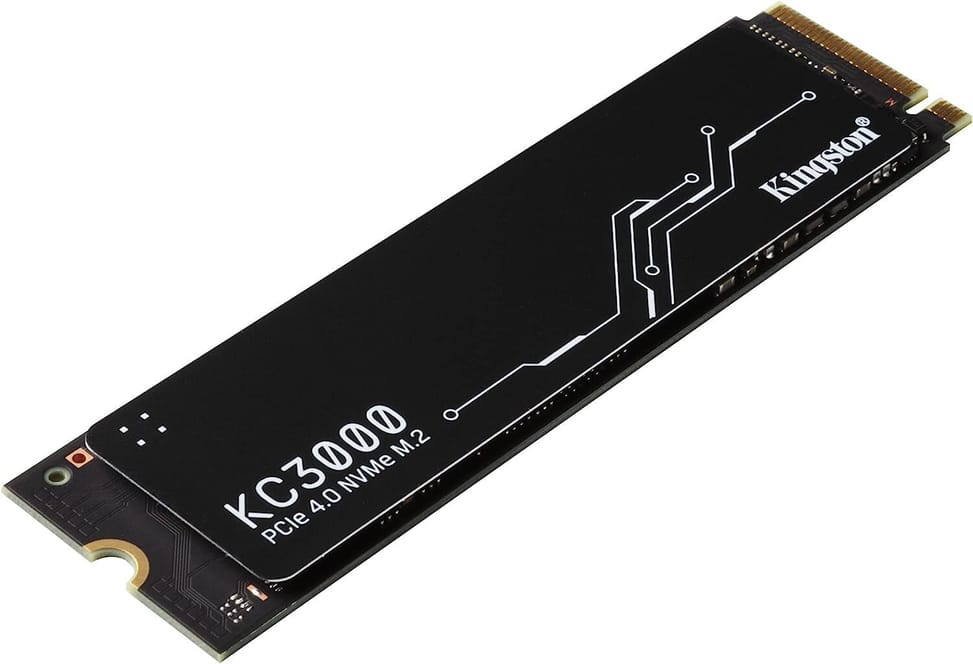
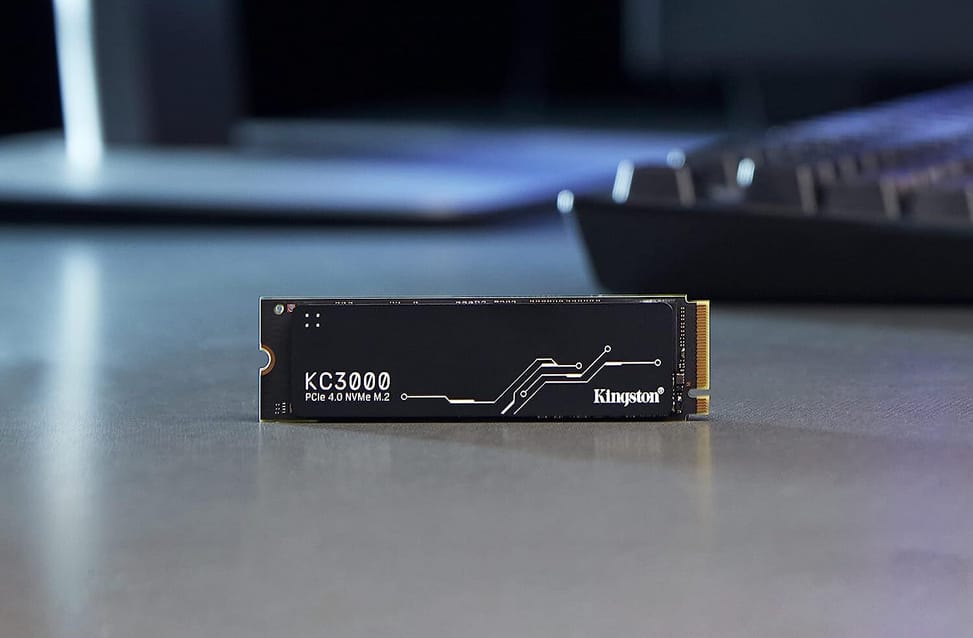
Built for 3D rendering and 4K editing: 7,000 MB/s read, 3,900 MB/s write, Phison E18 controller and DRAM cache. The low-profile aluminium-graphene heatsink prevents throughput dropping under sustained load.
In stock
Earn 14 DH in loyalty credit with this purchaseHow does it work?Loyalty credit capped at 300 DH per order.
1 year warranty — free repair in Morocco if it breaks down during the warranty period
100% secure payment: Bank transfer · Bank card · Cash on delivery · Certified cheque
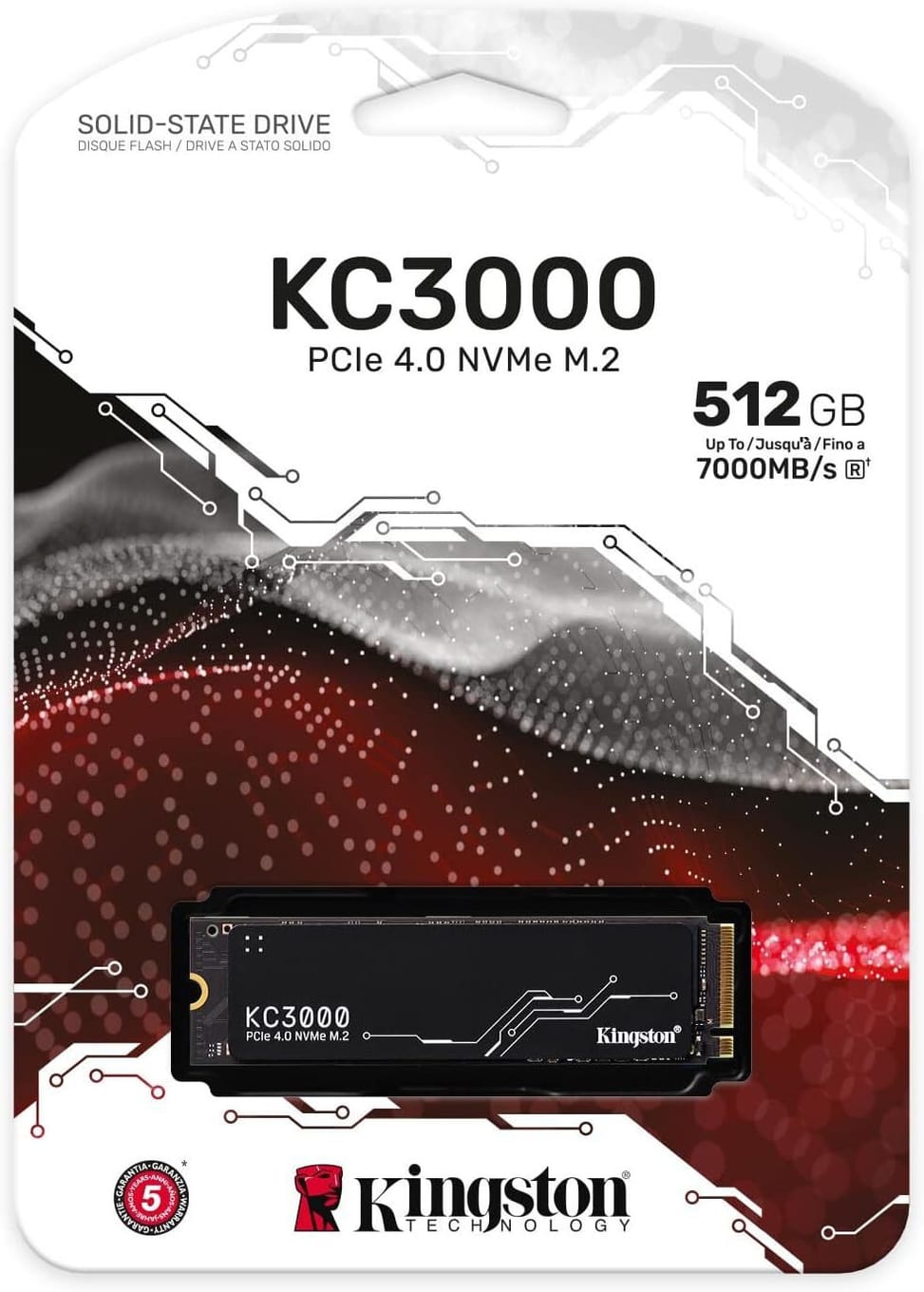
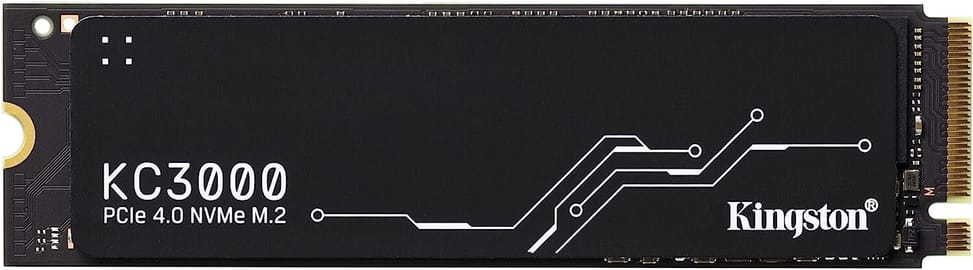
Boost your system's performance with the Kingston KC3000 M.2 512 GB PCI Express 4.0 3D TLC NVMe SSD. This cutting-edge SSD delivers blistering speeds of up to 7,000 MB/s read and write, ideal for power users. With its NVMe Gen 4x4 controller and 3D TLC NAND, it provides reliable storage and shorter loading times. With a capacity of 512 GB, this compact M.2 2280 SSD is perfect for high-performance desktop PCs and laptops. Get a better experience in demanding tasks such as 3D rendering or content creation in 4K+.
| Dimensions (W x D x H) | 80 x 22 x 2.21 mm |
|---|---|
| Net weight | 7 g |
| Read speed | Up to 7,000 MB/s sequential read |
| Write speed | Up to 3,900 MB/s sequential write |
| Random performance (IOPS) | 450,000 IOPS 4 KB read, 900,000 IOPS 4 KB write |
| Endurance | 400 TB written (TBW) |
| MTBF | 1.8 million hours |
| Typical power consumption | 0.34 W average, 2.7 W maximum read, 4.1 W maximum write |
| Standby power consumption | 5 mW in standby |
| Operating temperature | 0 °C to 70 °C |
| Storage temperature | -40 °C to 85 °C |
|---|---|
| Storage capacity | 512 GB |
| Cache size | Dedicated DRAM cache |
| Interface | PCIe 4.0 x4 (NVMe) |
| Storage type | SSD, 3D TLC NAND flash memory |
| SSD controller | Phison E18 |
| Drive form factor | M.2 2280 |
| Heatsink | Low-profile aluminium-graphene heatsink |
| Use | Creative & Multimedia |
| Warranty | 1 year |
| EAN | 740617324402 |
|---|
No reviews yet
Be the first to review this product and help other customers.
Ugreen
In stock
Delivery everywhereDelivered all over Morocco
Lexar
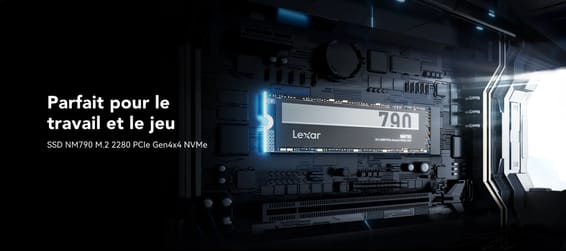
7,200 MB/s read and 4,400 MB/s write in a 6 g module just 2.45 mm thick. 500 TB written endurance, no moving parts and proven resistance to shock and vibration.
In stock
Delivery everywhereDelivered all over Morocco
ADATA
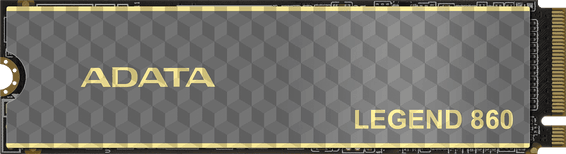
Built for animation and video editing, it reaches 6,000 MB/s read and 4,000 MB/s write. Host memory buffer and SLC cache, 320 TB written of endurance and PlayStation 5 compatibility as expanded storage.
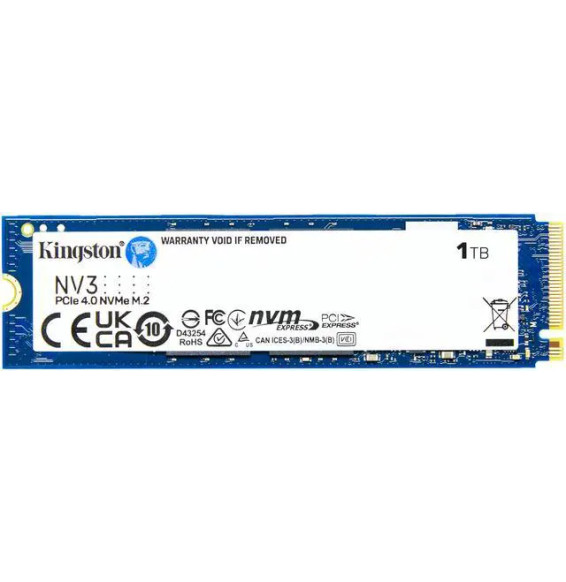
Kingston
Energy-efficient and cool-running, it reaches 6,000 MB/s read and 4,000 MB/s write. 320 TB written of endurance, 2,000,000 hours MTBF and Acronis cloning software included.
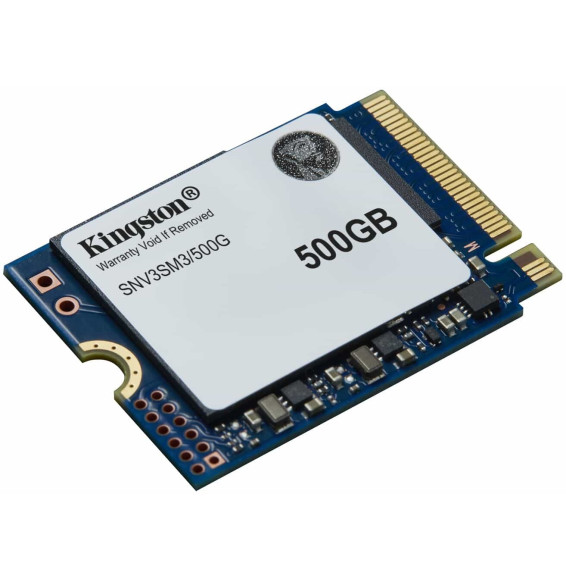
Kingston
Short enough to fit an ultra-thin laptop or a handheld games console, and it weighs only 2.6 g. 5,000 MB/s read, 3,000 MB/s write, low power draw and 160 TB written of endurance.
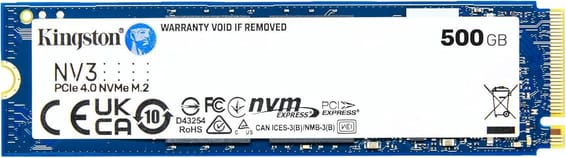
Kingston
Single-sided 7 g design, made for thin laptops and compact PCs: 5,000 MB/s read, 3,000 MB/s write, with reduced power draw and heat.
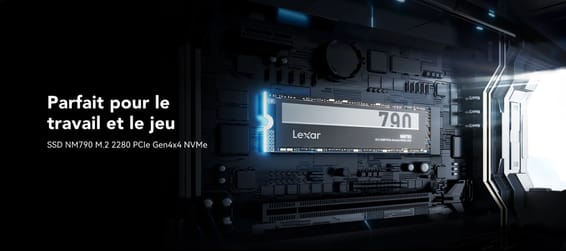
Lexar
Built for heavy use with 1000 TB written of endurance and a mean time between failures of 1500000 hours. A 6 g module, 2.45 mm thick, with no moving parts, resistant to shocks and vibration.
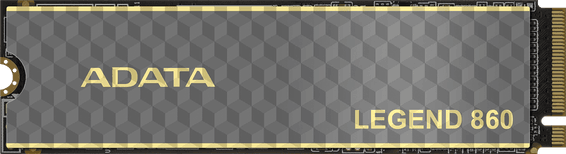
ADATA
Simple upgrade for a laptop or a tower: 5,000 MB/s read and 3,000 MB/s write, host memory buffer and SLC cache. 160 TB written of endurance and PlayStation 5 compatibility.
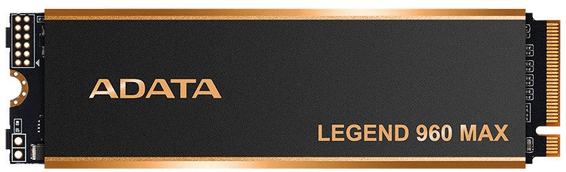
ADATA
The finned aluminium heatsink lowers the temperature by 40% and holds the speed over time: 7,400 MB/s read, 6,000 MB/s write. It also fits inside a PS5.
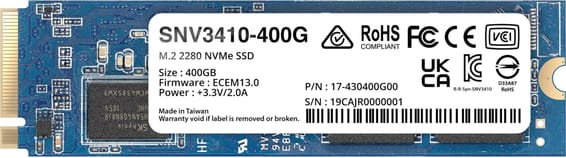
Synology
Designed to run 24/7, it takes an array's cache to 3,000 MB/s read and 750 MB/s write. 491 TB written of endurance, end-to-end data protection and wear monitoring straight in DSM.
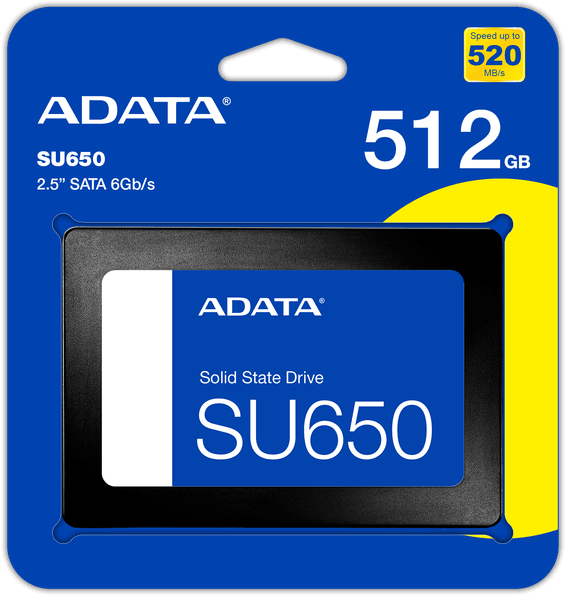
ADATA
280 TB written endurance, 3D NAND memory and ECC correction: a second drive built to last. Read up to 520 MB/s and write up to 450 MB/s, with no noise or vibration, in a desktop PC or a laptop.
In stock
Delivery everywhereDelivered all over Morocco
In stock
Delivery everywhereDelivered all over Morocco
In stock
Delivery everywhereDelivered all over Morocco
In stock
Delivery everywhereDelivered all over Morocco
In stock
Delivery everywhereDelivered all over Morocco
In stock
Delivery everywhereDelivered all over Morocco
In stock
Delivery everywhereDelivered all over Morocco
In stock
Delivery everywhereDelivered all over Morocco
In stock
Delivery everywhereDelivered all over Morocco