

Ugreen
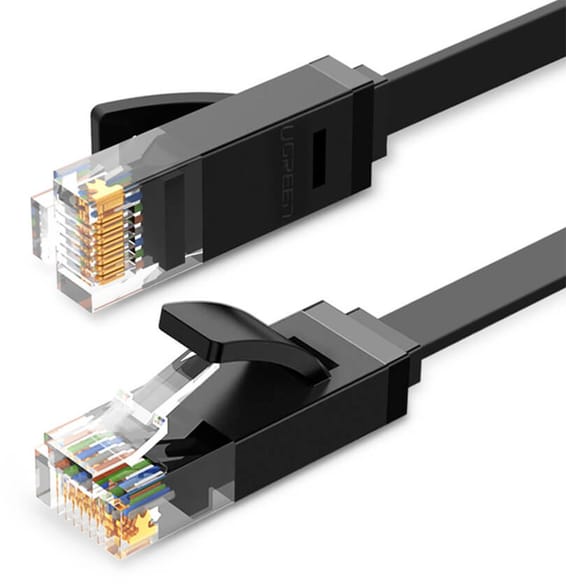
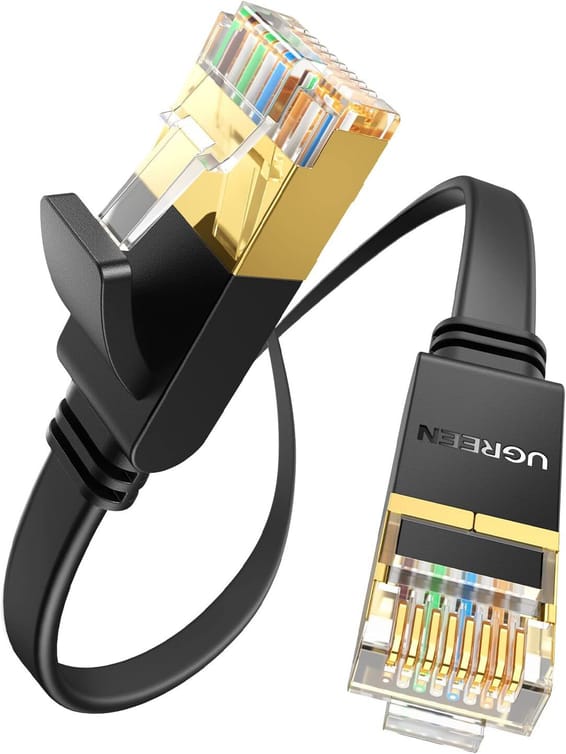
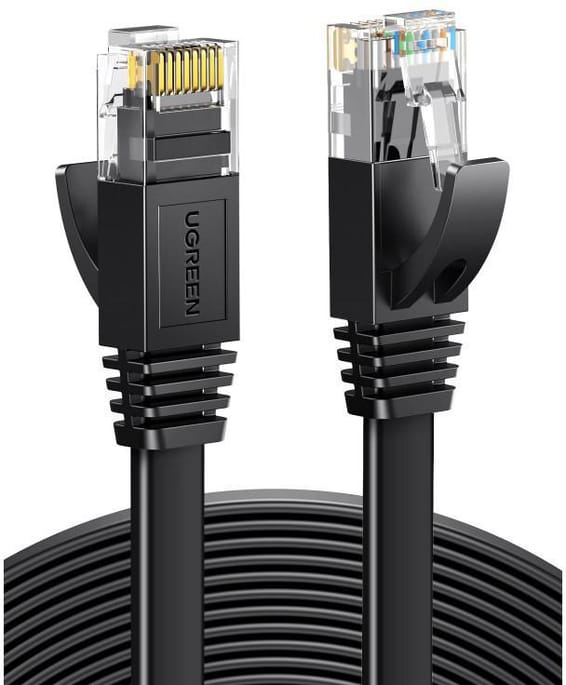
Ugreen Flat CAT6 RJ45 Ethernet Cable - 20 metres (50181)
In stock
169 DHincl. VAT169,00 DHincl. VAT
Delivery everywhereDelivered all over Morocco
Generous PoE+ budget of 384 W to power a full estate of cameras, Wi-Fi access points and IP phones. 56 Gbps switching capacity, centralised management through the Omada SDN cloud.
Limited quantity
Earn 45 DH in loyalty credit with this purchaseHow does it work?Loyalty credit capped at 300 DH per order.
Delivery anywhere in Morocco
free
Casablanca store
Free pickup
Témara pickup point
Free pickup
1 year warranty — free repair in Morocco if it breaks down during the warranty period
100% secure payment: Bank transfer · Bank card · Cash on delivery (deposit of 670 DH by card or bank transfer) · Certified cheque
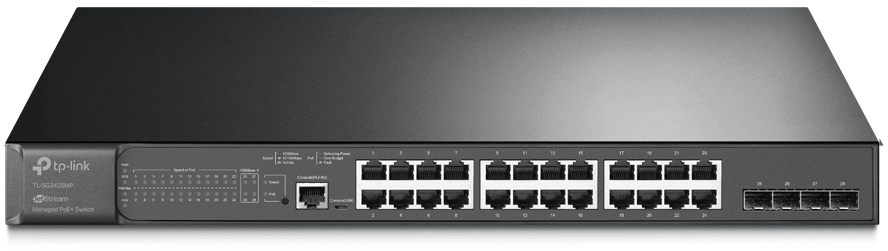
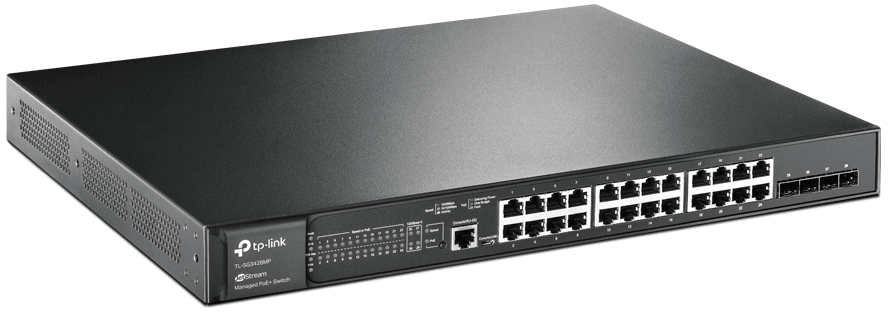
TP-Link TL-SG3428MP JetStream L2+ 28-port Gigabit managed switch: connect and power your devices with a generous PoE budget.
Ports: 24 Gigabit PoE+ ports + 4 SFP fibre slots.
PoE: IP cameras, Wi-Fi access points and phones powered over a single cable.
Functions: L2+, static routing, VLAN, QoS, ACL, IGMP snooping.
Management: centralised Omada SDN, in the cloud or on-site.
Use cases: SMBs, video surveillance, Wi-Fi deployments.
A complete PoE+ managed switch for a professional network fully under control.
| MAC table size | 16,000 entries |
|---|---|
| Number of VLANs | 4,096 VLAN groups (802.1Q), MAC VLAN, protocol VLAN, voice VLAN, QinQ |
| Internal memory | 256 MB DRAM, 32 MB flash memory |
| Interfaces | 24 RJ45 10/100/1000 Mbps ports, 4 Gigabit SFP slots, 1 RJ45 console port, 1 micro-USB console port |
| PoE ports | 24 PoE+ ports (802.3af/at), up to 30 W per port |
| Total PoE budget | 384 W |
| Network standards | IEEE 802.3i, 802.3u, 802.3ab, 802.3z |
| Switching capacity | 56 Gbps |
| Forwarding rate | 41.66 Mpps |
| Packet buffer | 12 Mbit |
| Management modes | Web interface, CLI, SNMP v1/v2c/v3, RMON, dual image |
| Cloud management platform | Omada SDN (OC200/OC300 controllers, software or cloud) |
| Layer 2 features | LACP 802.3ad aggregation (8 groups), STP/RSTP/MSTP, loop detection, 802.3x flow control, port mirroring |
| IP routing | Static routing, 48 IPv4 and IPv6 routes, 16 IP interfaces |
| Quality of service (QoS) | 802.1p and DSCP, 8 queues, SP, WRR or SP+WRR scheduling, rate limiting |
| Power consumption | 480.1 W maximum with 384 W PoE load, 15.7 W standby |
| Dimensions (W x D x H) | 440 x 330 x 44 mm |
| Package contents | Switch, power cord, quick installation guide, rack-mount kit, rubber feet |
|---|---|
| Number of ports | 19 to 28 ports |
| Managed | Yes |
| Security features | IP-MAC-Port binding, Layer 2 to 4 ACL, 802.1X, DHCP Snooping, port security, storm control |
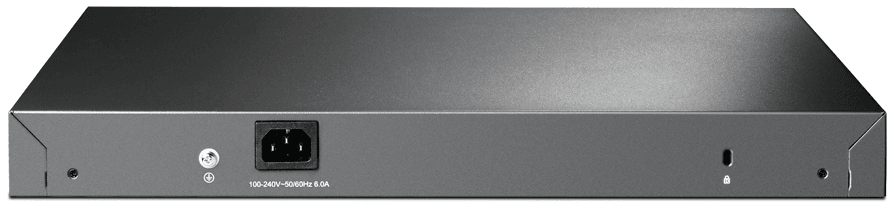
| Power supply | Internal 100-240 V AC power supply, 50/60 Hz |
| Cooling system | 2 fans |
| Operating temperature | 0 to 45 °C |
| Operating humidity | 10 to 90% RH, non-condensing |
| PoE power | Yes |
| Port speed | 1 Gbps (Gigabit) |
| Management level | Layer 2 |
| PoE standard | PoE+ (802.3at, up to 30 W/port) |
| PoE budget | 251 to 400 W |
| Fibre slots (SFP) | Yes |
| Mounting | 19-inch rack-mountable |
| Warranty | 1 year |
No reviews yet
Be the first to review this product and help other customers.
Ugreen
In stock
Delivery everywhereDelivered all over Morocco
Ugreen
In stock

Eaton
In stock
Delivery everywhereDelivered all over Morocco
Delivery everywhereDelivered all over Morocco

Ruijie
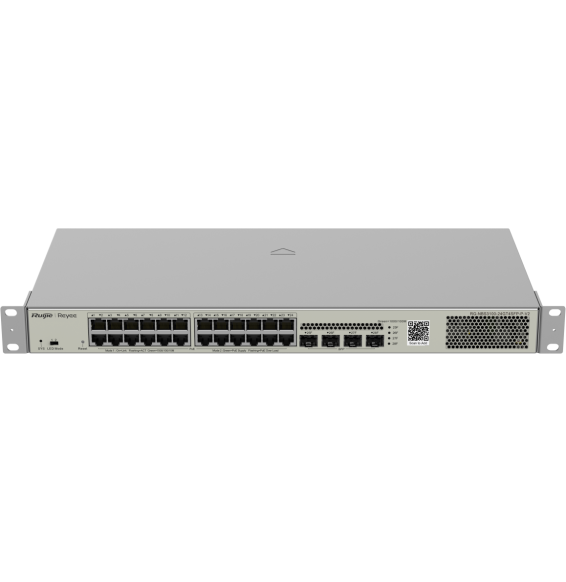
Designed for SMEs and video surveillance, in a 19″ rackable format: automatic IP camera recognition, PoE consumption alarm and remote port restart through Ruijie Cloud.
In stock
Delivery everywhereDelivered all over Morocco
Ruijie
Designed for enterprise networks, with advanced security and automatic recognition of IP cameras. Lifetime management through Ruijie Cloud for monitoring and remote updates.
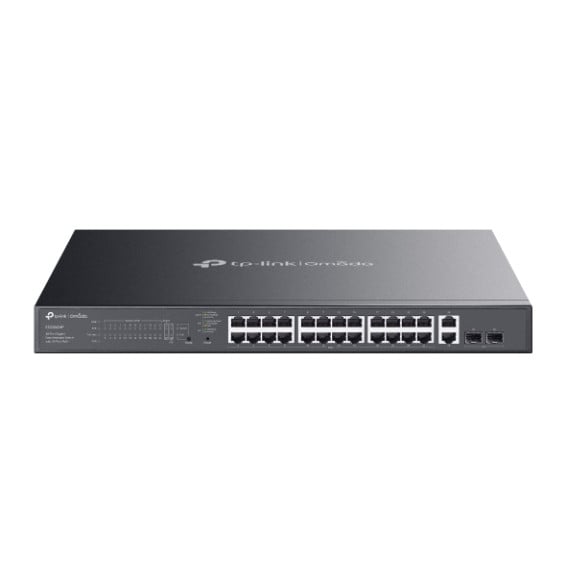
TP-Link
Designed for video surveillance: a 384 W PoE+ budget shared across the powered ports, transmission up to 250 m and power maintained even when the switch restarts. Rackable metal housing, VLAN and automatic loop prevention.

Aruba
24 Gigabit ports, half of them PoE+ (ports 1 to 12) for medium-sized offices — simplified control from the Aruba Instant On app, with no subscription.
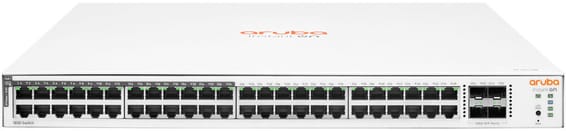
Aruba
48 Gigabit ports, half of them PoE+ (ports 1 to 24), for mixed SME or campus deployments — simplified control from the Aruba Instant On app, with no subscription.
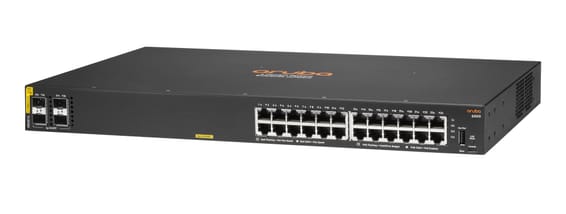
Aruba
Managed access switch designed for SMEs and branch offices: powers workstations, Wi-Fi access points and IP cameras over Power over Ethernet, with centralised control from Aruba Central and automated deployment.
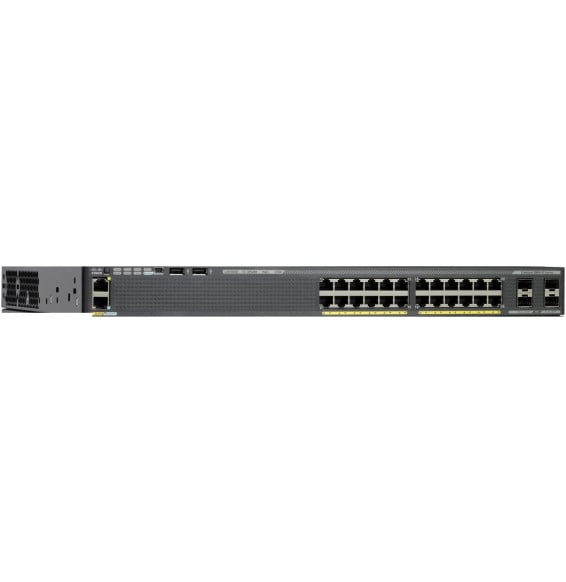
Cisco Systems
Cisco Catalyst 2960-X managed switch with LAN Base image: 24 Gigabit PoE+ ports with a 370 W budget, 4 SFP 1 Gbps uplink ports and FlexStack-Plus stacking of up to 8 switches. 1U, 5.8 kg, for a 19-inch rack.
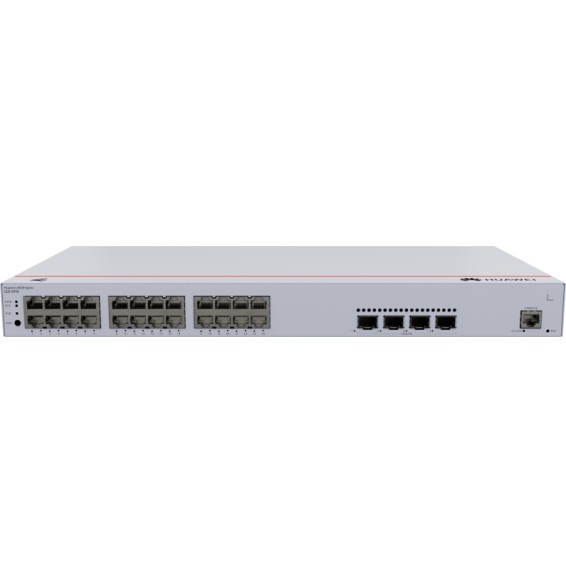
Huawei
Fast PoE instantly powers cameras, Wi-Fi access points and IP phones over the network cable, with no break on restart. Four 10G links absorb traffic to the network core. Web, cloud app or command line control, built-in DoS/802.1X security.
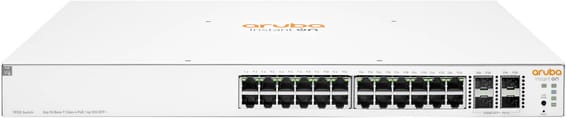
Aruba
Aruba Instant On switch for small businesses: full L2+ managed from the mobile app, the cloud portal or a local web interface, with a more measured PoE budget for flexible deployment of Wi-Fi access points and IP cameras.
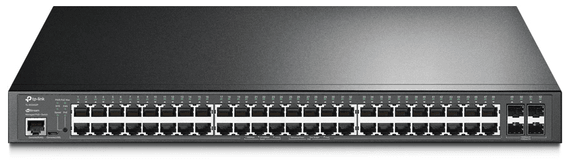
TP-Link
Total PoE+ budget of 384 W to power a large number of cameras, Wi-Fi access points and IP phones. 104 Gbps switching capacity, driven from the Omada SDN cloud.
In stock
Delivery everywhereDelivered all over Morocco
In stock
Delivery everywhereDelivered all over Morocco
In stock
Delivery everywhereDelivered all over Morocco
In stock
Delivery everywhereDelivered all over Morocco
In stock
Delivery everywhereDelivered all over Morocco
In stock
Delivery everywhereDelivered all over Morocco
In stock
Delivery everywhereDelivered all over Morocco
In stock
Delivery everywhereDelivered all over Morocco
In stock
Delivery everywhereDelivered all over Morocco