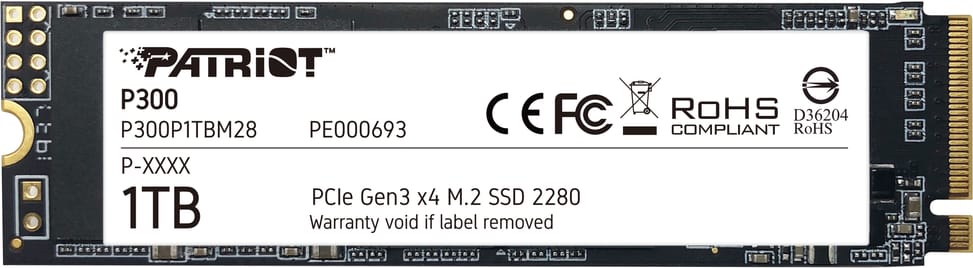
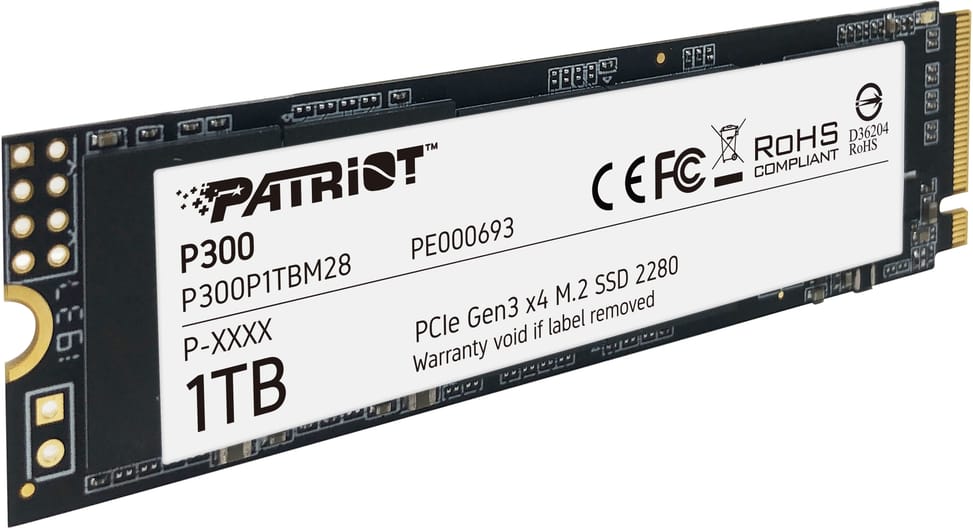
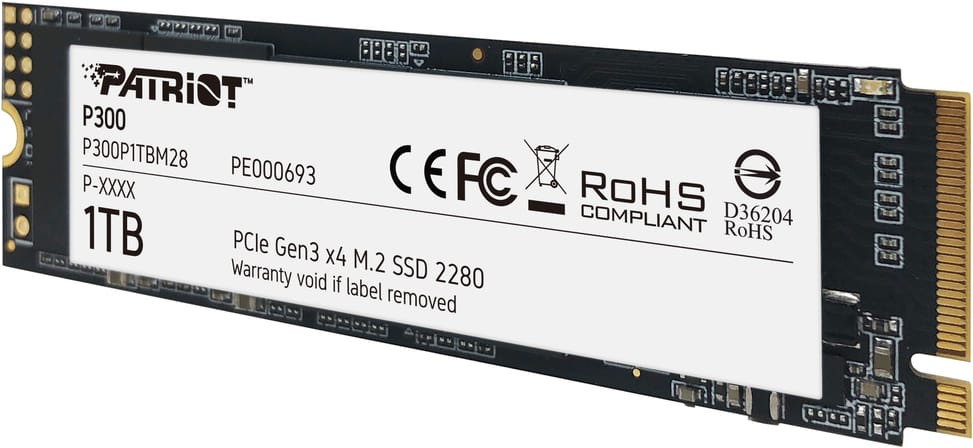
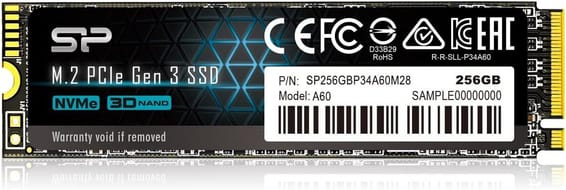
Patriot P300 1 TB SSD, M.2 2280, PCIe Gen3 x4 NVMe: a fast choice for a NAS or media server with an M.2 slot — your backups and libraries are just a click away. Compatibility: M.2 2280 form factor, PCIe Gen3 x4 NVMe 1.3 interface, fits any desktop, laptop or NAS with an M.2 NVMe slot, compatible with Windows 7/8/8.1/10. Technology: latest-generation PCIe 3 x4 controller, SmartECC, end-to-end data protection, thermal management (thermal throttling), controlled power draw of 2.07 W under load. Performance: sequential reads up to 2,100 MB/s, writes up to 1,650 MB/s, 4K random IOPS up to 290K read and 260K write. Endurance: TBW 480 TB. Ideal for NAS units and media servers, laptop or desktop upgrades, light video editing and storing media libraries. The durable 1 TB NVMe drive that combines speed and longevity.
Be the first to review this product and help other customers.
Write a review
Frequently asked questions about this product
Is the 1 TB P300 faster than the lower capacities?
Yes: 2,100 MB/s read and 1,650 MB/s write, compared with 1,700 and 1,100 MB/s on the 256 and 512 GB versions. It is the only capacity in the range to exceed 2,000 MB/s, and the clearest gap is in writing.
How many terabytes of writes can this 1 TB version handle?
480 TB, or 480 full drive writes — twice the 512 GB and four times the 256 GB. The firmware applies advanced wear levelling, which spreads writes across the entire memory rather than over the same cells.
How much power does it draw once installed?
2.07 W under full load and 0.37 W at idle. This is the same level as the lower capacities: moving up in capacity does not increase energy consumption, something that matters in a laptop as well as in a poorly ventilated case.
Can it be installed in a NAS with an M.2 slot?
This is one of the stated uses, alongside desktop PCs and laptops: it needs an M.2 2280 slot wired for PCIe and recognised as NVMe. Check that your enclosure does accept an 80 mm drive and that its slot is not reserved for a specific model.
What do its random IOPS mean in everyday use?
290,000 read and 260,000 write on 4 KB blocks. It is these small accesses that make the system feel smooth when several programs are running at the same time, more than the 2,100 MB/s sequential speed, which is rarely reached in everyday use.
Which operating systems does this SSD support?
Windows 7, 8.0, 8.1 and 10. On Windows 7 and 8.0, a driver may be needed before the drive is recognised. The built-in thermal management temporarily reduces the speed if the temperature rises, with an operating range of 0 to 70 °C.
Is the drive new and under warranty?
It is new and your invoice serves as the warranty document. Its part number is P300P1TBM28, to be quoted for any return, and it weighs 9 g in the M.2 2280 form factor. The full datasheet lists all the figures.
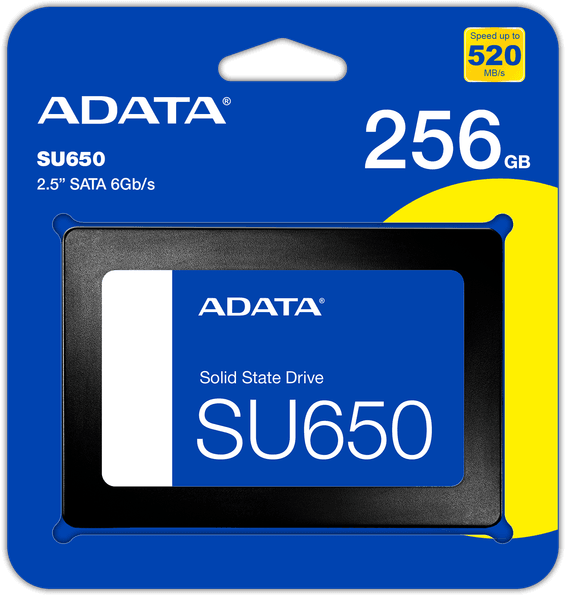
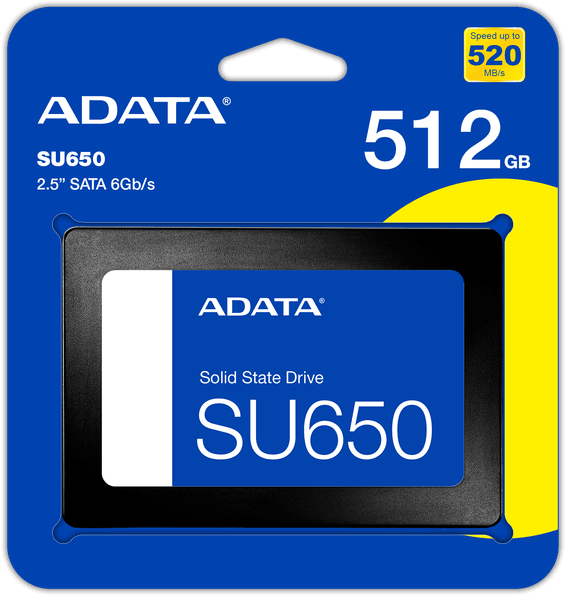
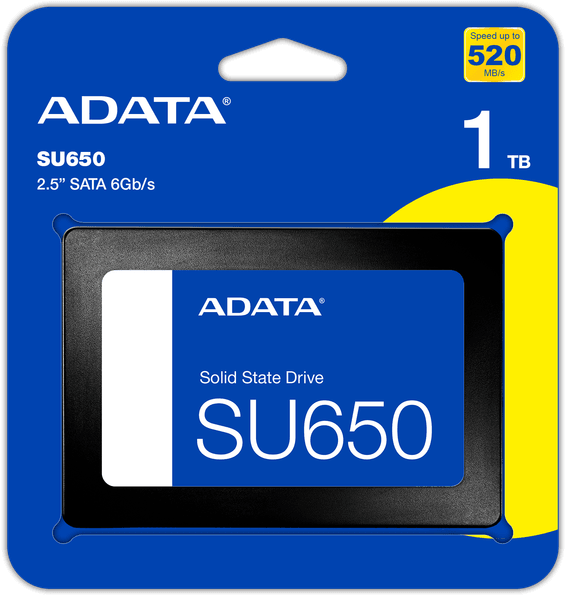
520 MB/s reading and 450 MB/s writing to replace a spinning hard drive with no noise and no vibration. 3D NAND memory, SLC cache and ECC error correction; the ADATA migration utility copies the whole system onto the new drive.
•Sequential reading up to 520 MB/s
•Sequential writing up to 450 MB/s
•SATA III 6 Gb/s interface, backwards compatible with SATA II
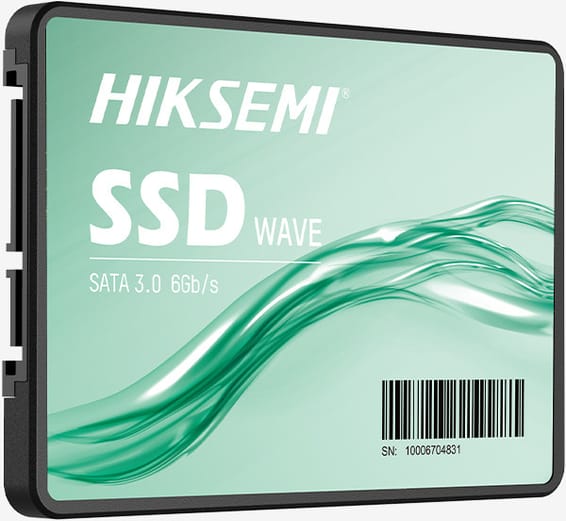
550 MB/s in sequential read, more than five times the speed of a spinning drive: noticeably quicker start-ups and application loading. No moving parts, so operation is silent and insensitive to knocks.
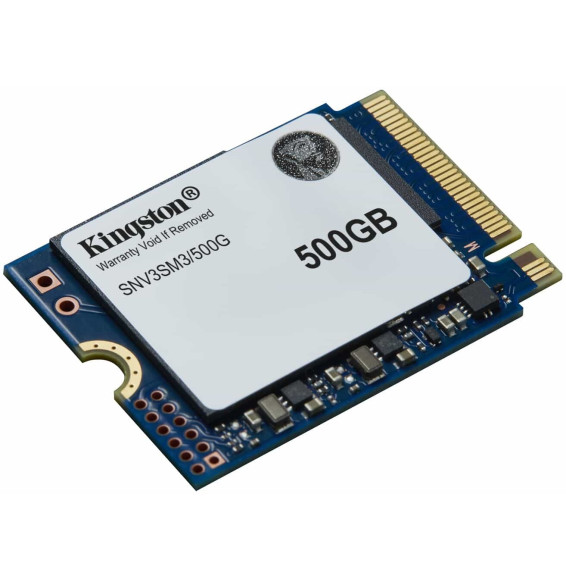
Short enough to fit an ultra-thin laptop or a handheld games console, and it weighs only 2.6 g. 5,000 MB/s read, 3,000 MB/s write, low power draw and 160 TB written of endurance.
Ten times faster than a spinning drive: 500 MB/s read, 350 MB/s write, enough to wake up a machine that drags at start-up. With no moving parts, it takes the knocks and vibration of a computer on the move.
Compatible with a desktop PC, a laptop and a PS4 alike, it reads at 530 MB/s and writes at 400 MB/s. 3D NAND memory with no moving parts, for an office machine that is finally responsive.
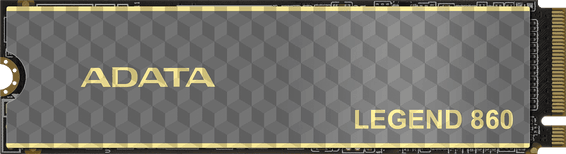
A host memory buffer (HMB) and an SLC cache take read speed to 2,200 MB/s and write speed to 1,600 MB/s. LDPC error correction, end-to-end data protection and the SP Toolbox utility to monitor drive health.
256-bit AES hardware encryption, TCG Opal and Microsoft eDrive: the data stays unreadable to anyone who gets hold of the machine. 550 MB/s read, 520 MB/s write over SATA 6 Gb/s.
Write up to 450 MB/s and read up to 500 MB/s: file copies and installations are far brisker than with a spinning drive. Silent, frugal with power and unaffected by vibration, in a tower or a laptop.
280 TB written endurance, 3D NAND memory and ECC correction: a second drive built to last. Read up to 520 MB/s and write up to 450 MB/s, with no noise or vibration, in a desktop PC or a laptop.
Around six times the speed of a SATA model: 3,300 MB/s claimed in read, for instant start-ups and application launches. 240 TB written endurance and a design with no moving parts, resistant to shocks.
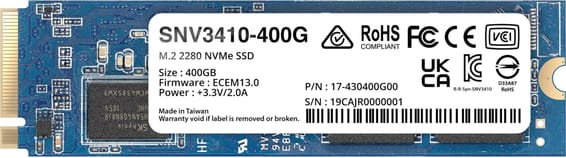
Designed to run 24/7, it takes an array's cache to 3,000 MB/s read and 750 MB/s write. 491 TB written of endurance, end-to-end data protection and wear monitoring straight in DSM.
Built for animation and video editing, it reaches 6,000 MB/s read and 4,000 MB/s write. Host memory buffer and SLC cache, 320 TB written of endurance and PlayStation 5 compatibility as expanded storage.
A host memory buffer (HMB) and an SLC cache take read speed to 2,200 MB/s and write speed to 1,600 MB/s. LDPC error correction, end-to-end data protection and the SP Toolbox utility to monitor drive health.
340 TB of written endurance: enough to archive and back up without counting. Read up to 550 MB/s and write up to 470 MB/s, 3D NAND memory and shock-resistant design, on a desktop PC, a laptop or a PlayStation 4.
Energy-efficient and cool-running, it reaches 6,000 MB/s read and 4,000 MB/s write. 320 TB written of endurance, 2,000,000 hours MTBF and Acronis cloning software included.
2,500 MB/s read and 1,025 MB/s write, with no moving parts at all: the shock- and drop-resistant design protects the data. 3D NAND memory and TRIM command support to hold the speeds over time.
Built for 3D rendering and 4K editing: 7,000 MB/s read, 3,900 MB/s write, Phison E18 controller and DRAM cache. The low-profile aluminium-graphene heatsink prevents throughput dropping under sustained load.
Silent and free of vibration, it withstands 1,500 G shocks over 0.5 ms and runs from 0 to 70 °C. Read up to 520 MB/s, write up to 450 MB/s, with an SLC cache and ECC error correction to hold the pace.